2026 Top Aluminum Die Cast Mold Manufacturers?
Choosing the right manufacturer matters when a mold must survive thousands of high-pressure cycles. This guide explores the 2026 market for leading Aluminum Die Cast Mold manufacturers. It focuses on measurable capability, not attractive promises. Key factors include tool steel selection, machining accuracy, cooling-channel design, surface treatment, and after-sales support. Small details matter. A poorly balanced runner can create flash, porosity, or uneven filling around thin walls.
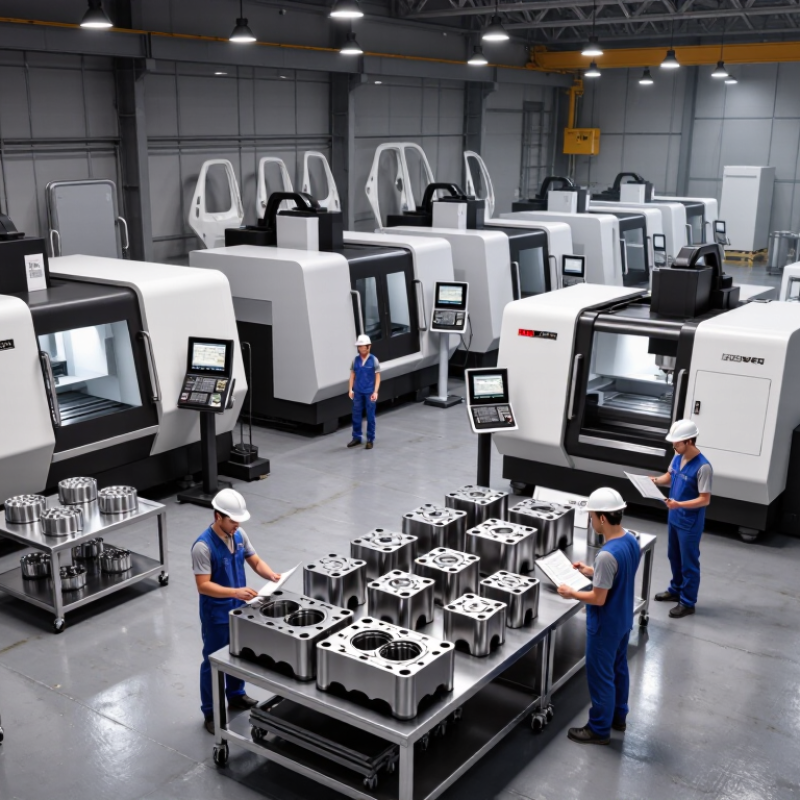
The evaluation also considers engineering experience with automotive, appliance, lighting, and industrial components. Reliable manufacturers should provide mold-flow analysis, dimensional reports, trial-shot records, and clear maintenance instructions. Their workshops may include CNC machining centers, wire-cut equipment, coordinate measuring machines, and controlled heat-treatment systems. These details reveal more than a polished website. They show whether a supplier can manage real production pressure.
No ranking is flawless. A supplier with excellent engineering may not offer the lowest price. Another may deliver quickly but provide limited design support. Buyers should compare sample quality, communication speed, warranty terms, replacement-part access, and verified customer feedback. Ask for evidence. Check it carefully. The strongest manufacturers explain risks before signing a contract, including cooling failure, premature wear, and difficult ejection. This article aims to provide a practical shortlist and a fair comparison framework, while recognizing that regional standards, product complexity, and production volume can change the final decision. Some conclusions may need revision as new technologies and suppliers emerge.
What Are Aluminum Die Cast Molds and Why Do They Matter in 2026?
Aluminum die cast molds are precision steel tools that shape molten aluminum under high pressure. They form housings, motor cases, brackets, and structural parts with repeatable dimensions. A mold usually contains cavities, runners, cooling channels, vents, and ejector pins. Each detail affects cycle time, porosity, surface finish, and tool life.
Their importance is growing in 2026. The International Energy Agency reported that global electric car sales were expected to exceed 17 million in 2024. Electric vehicles need lightweight battery trays, inverter housings, and cooling components. Aluminum die casting supports these applications because it combines low density with efficient high-volume production. Fortune Business Insights estimates the global die casting market could grow from about 78 billion dollars in 2023 to more than 126 billion dollars by 2032. That growth increases pressure on mold accuracy and maintenance.
A reliable mold manufacturer should verify steel hardness, thermal fatigue resistance, cooling balance, and dimensional stability. Practical reviews should include trial-shot data, not only polished photographs. A mold can look excellent and still produce hidden porosity. That is a problem. Design teams should inspect filling simulations, vent locations, and measured cycle results before approving production. The mistake is treating the mold as a simple cavity. It is a controlled thermal system, and small design compromises may become expensive defects later.
2026 Aluminum Die-Cast Mold Selection: Typical Alloy Tensile Strength
Mold manufacturers must match tooling design, cooling performance, and process control to the selected aluminum alloy. The chart compares representative ultimate tensile strength values for widely used die-casting alloys; actual results vary with temper, casting geometry, porosity, and testing conditions.
How to Evaluate the Top Aluminum Die Cast Mold Manufacturers
In 2026, evaluating top aluminum die cast mold manufacturers requires more than comparing prices. Inspect the process behind their promises. Ask for evidence from similar parts, including cavity size, wall thickness, alloy, and production volume. Review mold steel certificates, heat-treatment records, and dimensional inspection reports. These documents reveal whether quality is controlled or merely advertised.
A capable manufacturer should explain gate design, cooling channels, venting, and expected mold life in practical terms. Request a flow simulation and a trial-shot report before approving production. Examine sample castings under strong light. Look for flash, cold shuts, porosity, drag marks, and uneven filling. Check critical dimensions with calibrated equipment, not visual judgment. A polished website proves little. Factory cleanliness, machine maintenance, and traceable revisions matter more.
I would also assess communication during design changes. Can engineers identify risks before machining begins? Do they record corrective actions clearly? Ask about spare inserts, repair timing, and ownership of technical files. References from comparable projects are useful, but they should be verifiable. The lowest quotation may exclude polishing, testing, or engineering revisions. I once overlooked maintenance support, and the later repair cost exceeded the initial saving. That mistake still matters. A reliable evaluation weighs technical skill, documented quality, responsive service, and realistic lifecycle costs together.
Which Manufacturers Lead in Design, Materials, and Production Technology?
The leading aluminum die cast mold manufacturers in 2026 will compete through measurable engineering, not attractive catalogs. Strong teams use flow simulation, thermal analysis, and digital mold trials before cutting steel. They study filling speed, porosity risk, cooling balance, and ejection marks. Experienced engineers also inspect failed parts from production lines. That practical feedback often improves a mold more than software alone. NADCA’s Product Specification Standards support tighter control of casting quality, dimensions, and process documentation. However, standards do not replace skilled judgment.
Materials reveal another difference. Premium mold builders commonly select hot-work tool steels with controlled hardness, polishability, and thermal-fatigue resistance. Cooling channels must reach hot spots without weakening the mold structure. The International Aluminium Institute reports that recycled aluminum needs about 5% of the energy required for primary aluminum production. Manufacturers that design for stable recycled-alloy processing can reduce waste and energy exposure. The International Energy Agency also identifies aluminum as a significant industrial emissions source, estimated at roughly 270 million tonnes of direct CO2 emissions in 2022. Better thermal control matters.
Production technology separates capable suppliers from leaders. High-speed machining, 3D inspection, vacuum-compatible tooling, and traceable heat treatment reduce correction work. Still, no factory performs perfectly. Complex slides can delay delivery, and simulation may miss real alloy variation. Buyers should request trial-shot data, mold-life records, inspection reports, and corrective-action evidence before ranking a supplier.
How Do Quality Standards, Services, and Delivery Affect Manufacturer Selection?
When selecting a top aluminum die cast mold manufacturer in 2026, quality evidence matters more than polished presentations. ISO’s 2022 Survey recorded over 1.2 million ISO 9001 certificates worldwide, but certification alone cannot prove mold performance. Ask for cavity inspection records, dimensional reports, material certificates, and documented correction actions. A reliable supplier should explain how it controls porosity, cooling channels, venting, and tool wear. Request sample parts from comparable alloys and wall thicknesses. Small details reveal real experience.
Service quality also affects total cost. Experienced engineers can review draft angles, shrinkage allowances, and gate locations before machining begins. This prevents expensive changes after the first trial. Clear communication is essential. Response times, revision control, spare-part planning, and trial-shot support should appear in the agreement. Some suppliers provide impressive documents but react slowly when problems occur. That weakness deserves attention.
Delivery requires measurable evidence, not optimistic promises. The World Bank’s 2023 Logistics Performance Index assessed 139 economies across customs, infrastructure, tracking, and timeliness. These factors can directly affect mold arrival and production launch. Ask for a production schedule with machining, heat treatment, testing, and shipping milestones. Include contingency planning for steel delays or failed trials. Still, no schedule is perfect. My own view is cautious: a slightly slower supplier with transparent reporting may be safer than a faster supplier avoiding difficult questions.
What Industries and Applications Depend on Leading Mold Manufacturers?
In 2026, leading aluminum die cast mold manufacturers support demanding industries with precise tooling and practical process knowledge. Automotive makers depend on them for transmission housings, battery trays, motor covers, and structural frames. These parts require stable dimensions, thin walls, and controlled filling. A small gate error can create porosity near a mounting point.
Electric vehicle production increases this pressure. Larger molds must manage heat across wide surfaces without causing distortion. Engineers study cooling channels, vent locations, alloy flow, and ejection timing. They also inspect trial parts with coordinate measuring machines and section samples to verify internal quality. The work is technical. It is also repetitive.
Consumer electronics manufacturers use aluminum molds for heat sinks, frames, and compact enclosures. Aerospace suppliers need lightweight castings with dependable strength and traceable inspection records. HVAC producers rely on tooling for compressor bodies, valve housings, and pump components. Medical equipment makers may require smooth surfaces and consistent fit around sensitive assemblies. Each application has different risks.
Good mold manufacturers do more than cut steel. They review part geometry, predict shrinkage, and recommend draft angles before machining begins. They document repairs and monitor tool wear during production. No mold performs perfectly on its first trial. That reality is often underestimated. A cooling circuit may work well on paper but leave a hot spot beside a rib. Engineers must adjust, test, and sometimes admit the original design was too optimistic. Reliable tooling grows through evidence, not confident promises.