5 Tips for Buying Testsealabs Antigen Tests?
Buying a home test can feel simple, but small details often decide whether the product is trustworthy and usable. This guide introduces five practical tips for choosing Testsealabs Antigen tests with greater care. It focuses on product authenticity, expiration dates, storage conditions, seller reliability, and clear instructions.
A careful buyer should inspect the box before opening it. Look for an intact seal, readable lot information, and an expiration date that leaves enough time for use. Online photographs are not enough. Check the seller’s credentials, return policy, and product documentation. Authorized retailers and official sources can provide stronger reassurance than unusually cheap marketplace listings.
Storage matters, too. A kit left in a hot delivery truck may not perform as expected. Follow the manufacturer’s temperature guidance and avoid using damaged components. Read the instructions completely, even if the process appears familiar. Small timing errors can affect the result.
Still, no purchase decision is perfect. Listings change, packaging can vary, and buyers may overlook important details when ordering quickly. That is worth admitting. A Testsealabs Antigen result should be interpreted according to the current instructions and relevant public-health guidance. A negative result may not rule out infection, especially when symptoms or recent exposure exist. Consider repeat testing or professional medical advice when appropriate.
These tips are designed to support informed purchasing, not replace clinical judgment. Reliable information, careful inspection, and realistic expectations make the buying process safer and more practical.
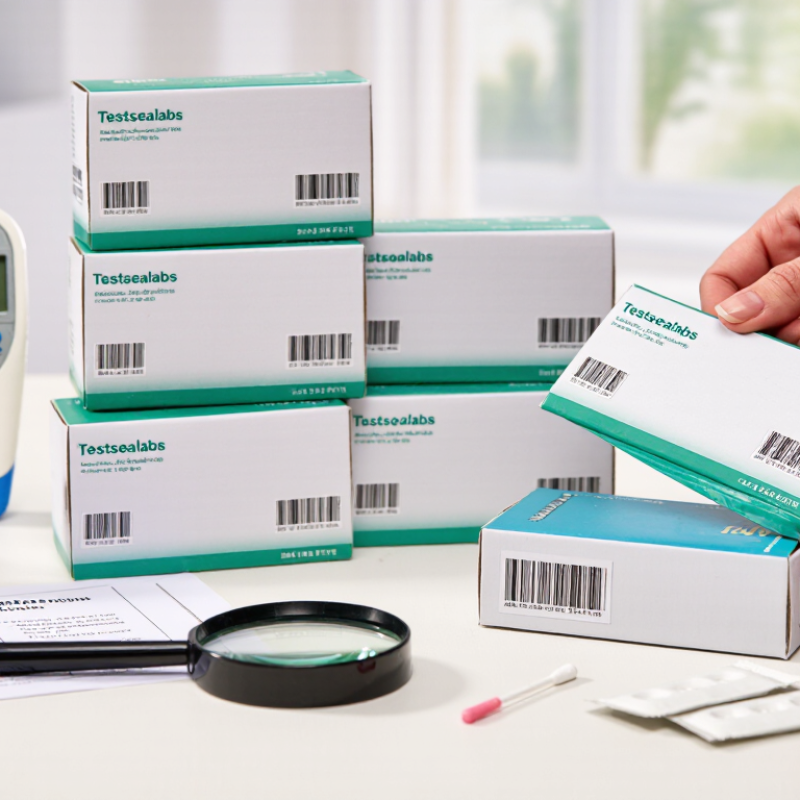
Identify the Testsealabs Antigen Test and Its Intended Use
Before buying an antigen test, identify exactly what it detects. Look for the test type, sample method, and intended user on the box. Most rapid antigen tests use a nasal swab to detect specific viral proteins. Some are designed for home use, while others require trained staff. Do not assume every small cassette works the same way.
Check the product label for its authorized purpose and storage conditions. An unopened test should show a clear expiration date, sealed packaging, and readable instructions. A damaged pouch or faded label deserves caution.
Also check whether the test is intended for people with symptoms, routine screening, or both. This detail can affect how you interpret a negative result.
Read the instructions before opening anything. Timing matters. Too little sample may produce an unreliable result, while an overly deep swab can cause discomfort. I have seen people treat a negative result as final, but that is a weak habit. Early infection may not produce enough detectable material. If symptoms continue, repeat testing according to official guidance or contact a qualified healthcare professional. A positive result may also require follow-up confirmation, depending on local rules and the test’s instructions.
Check Regulatory Status, Seller Credibility, and Product Authenticity
Buying an at-home antigen test requires more than comparing prices. Check the product’s regulatory status in your country’s official medical-device database. Confirm its intended use, authorized setting, and current approval details. A legitimate package should show clear instructions, an expiration date, storage conditions, and a traceable lot number. Do not rely only on an online marketplace description.
Seller credibility matters just as much. Look for a verifiable business address, reachable customer support, and a detailed invoice. Established medical suppliers usually explain storage, returns, and complaint procedures. Be cautious when a seller offers unusually large discounts, vague product photos, or pressure to purchase quickly. In practice, small details often reveal poor control. I once treated a professional-looking website as proof of reliability; that assumption was weak.
Product authenticity deserves careful attention. Compare the box, seal, printed instructions, and lot information with official reference images or documents. Check whether the packaging contains spelling errors, mismatched dates, or damaged tamper seals. Never use a test with missing instructions or uncertain storage history. Some tests can lose performance after heat exposure, even when the box looks intact. Keep your receipt and photograph the packaging before opening it. That evidence may help with a supplier inquiry or quality report. If anything feels inconsistent, pause and verify it through the regulator or manufacturer’s public contact channel, rather than trusting a seller’s promise.
5 Tips for Buying Antigen Tests
Use this five-point checklist before purchase. Each bar represents one independent verification step rather than market-share or company data.
How to use it: Confirm the product’s regulatory status, assess seller credibility, inspect packaging and labeling, verify the lot number and expiration date, and check that the instructions are complete and undamaged.
Review Test Performance, Expiration Dates, and Storage Requirements
5 Tips for Buying Testsealabs Antigen Tests?
Check performance before price. The 2022 Cochrane Review found average antigen-test sensitivity near 73% during the first symptomatic week. It fell to about 55% later. Specificity was approximately 99.6%. Read the intended-use population, sample type, and testing window. A test for early symptoms may not suit screening after exposure.
Tip: Compare independent data. Look for published evaluations, not only package claims. The World Health Organization recommends high specificity and meaningful sensitivity for rapid antigen tests. Still, real-world results can vary with sampling technique. I have seen people swab too briefly, then blame the device. That mistake deserves attention.
Tip: Inspect the expiration date. Do not assume a printed date is final or automatically extended. Check the regulator’s current notice and match the exact lot number. Tip: Confirm storage requirements. Many tests require controlled room temperature, protection from moisture, and no freezing. A kit left in a hot car may look normal but perform differently. Tip: Check package condition. Avoid crushed boxes, broken seals, or missing components. Tip: Plan repeat testing. One negative result can miss an early infection, especially after recent exposure. Follow the instructions for repeat timing and seek professional advice when symptoms worsen.
References: Cochrane Review, “Rapid, point-of-care antigen tests for diagnosis of SARS-CoV-2 infection”; World Health Organization, “Target Product Profiles for Priority Diagnostics.”
Compare Package Contents, Prices, and Testing Instructions
When buying antigen tests, inspect the package before comparing prices. Each box should list the test cassettes, swabs, extraction tubes, liquid buffer, and clear instructions. Some packs include one test, while others contain five or more. Count usable tests, not just boxes.
Calculate the price per test, including delivery fees and replacement costs. A cheaper multipack may expire sooner. Check the expiration date, lot number, storage range, and seal condition. The Cochrane review of rapid antigen testing found about 69.3% sensitivity among symptomatic people and 54.7% among people without symptoms. Specificity was approximately 99.6%. These figures explain why a low price does not equal reliable reassurance.
Read the testing instructions before opening the pouch. Note the required swabbing depth, sample mixing time, drop count, and result window. A faint line may require careful interpretation under the stated instructions. Testing too early can miss infection. Follow-up testing may improve detection. Current public-health guidance commonly supports repeated testing after an initial negative result, especially when symptoms or recent exposure exist. Do not use a damaged cassette or cloudy buffer. I have found that rushed timing creates more uncertainty than the test itself. Instructions can also be surprisingly unclear. Compare them before purchase, not after opening the box.
Choose the Test That Fits Your Testing Needs and Budget
Choosing an antigen test should begin with your testing purpose, not the lowest shelf price. A test for occasional home screening may differ from one used in a workplace or clinic. Check whether the product is authorized by your local health authority. Read the intended-use statement carefully. Some tests are designed for people with symptoms, while others support screening without symptoms.
Look at performance data, but avoid treating one number as a guarantee. Sensitivity can change with timing, sample quality, and infection stage. Specificity also matters when positive results could cause stress or missed work. Follow the collection steps exactly, including swabbing time and result-reading limits. A timer, clean surface, and good lighting can prevent simple mistakes. I have occasionally rushed instructions myself, and that is a useful warning.
Budget planning should include more than the box price. Consider the number of tests needed, repeat testing, shipping, storage, and possible confirmatory laboratory testing. A cheaper kit may cost more if its instructions are unclear or its supply is unreliable. Check expiry dates and storage requirements before purchase. For regular programs, compare cost per usable test, not cost per package. Ask a qualified healthcare professional which option fits your situation. No test is perfect. Use results with symptoms, exposure history, and current public-health guidance.