What Are the Best Control Valves for Industrial Applications?
Control valves play a crucial role in various industrial applications. They regulate the flow, pressure, and temperature of liquids and gases in systems. Choosing the right control valve is essential for operational efficiency and safety.
In industrial settings, control valves must withstand extreme conditions. These conditions include high temperatures, corrosive substances, and fluctuating pressures. Factors such as material selection and valve design significantly affect performance. For example, a butterfly valve may excel in certain scenarios, while a ball valve may be preferred for others.
The landscape of control valves is vast. Different industries require specific solutions. Each application presents its own unique challenges. Understanding these details is vital for making informed choices. It is not always straightforward; trial and error may sometimes be needed to find the best fit. Analyzing real-world feedback and performance data can help refine selections.
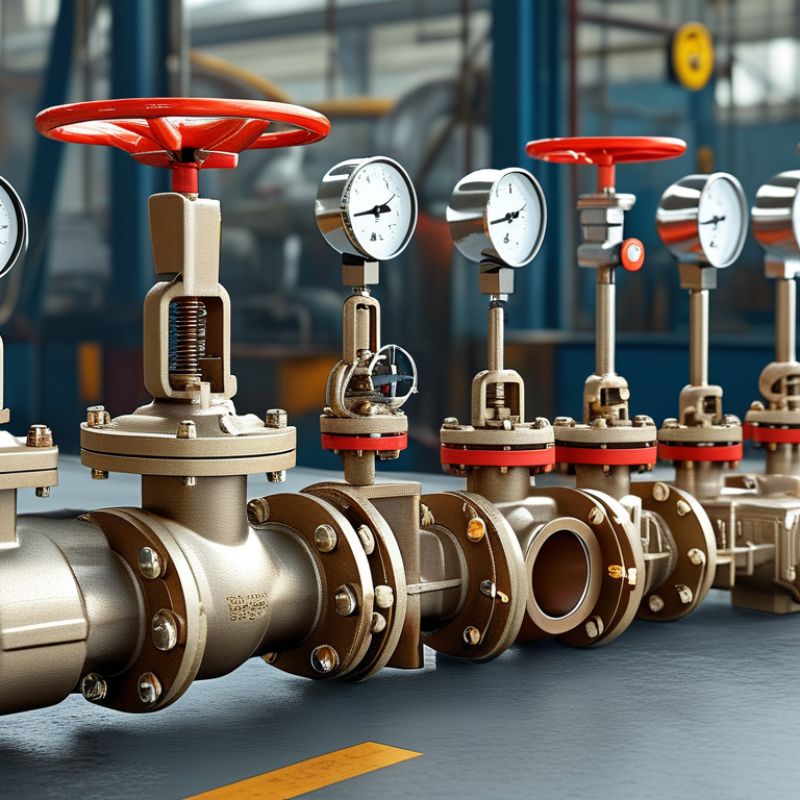
Best Control Valve Types for Various Industrial Applications
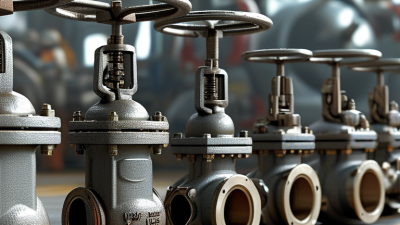
Control valves play a critical role in various industrial processes. Choosing the right type depends on specific application needs. For instance, globe valves are ideal for throttling and flow regulation. Their design allows high precision, making them a popular choice in chemical processing.
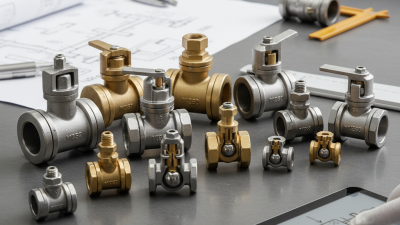
Ball valves are also significant. They offer low resistance to flow, making them suitable for applications requiring quick opening and closing. Their straightforward design ensures reliability and ease of maintenance. For high-pressure scenarios, check valves can prevent backflow and enhance safety.
Tips for selecting control valves: Consider the material compatibility with the fluid. Think about the pressure and temperature ranges when choosing a valve type. Do not overlook maintenance ease. Regular checks can prevent unexpected failures.
Another note: always evaluate the automation needs of your system. Sometimes, manual valves can become a bottleneck. Assess your workflow. A valve that minimizes downtime is essential for efficiency. Choosing the right control valve can be complex, but it's worth the effort to ensure system reliability.
Key Characteristics of Control Valves: Pressure, Temperature, and Flow
In industrial settings, the performance of control valves is crucial. Key characteristics such as pressure, temperature, and flow directly impact their effectiveness. A report from the International Society of Automation (ISA) indicates that selecting the right valve can improve energy efficiency by up to 30%. Properly evaluated pressure ranges ensure that the valve functions within its limits, reducing wear and tear over time.
Temperature is another defining factor. Many control valves need to withstand extreme conditions. For instance, valves operating beyond 200°C can experience rapid degradation. Regular monitoring of temperature ratings can prevent unexpected failures. Examining data from the American Society of Mechanical Engineers (ASME) shows that over 40% of valve failures were due to temperature misjudgments.
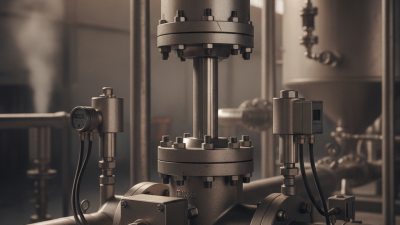
Consider implementing smart sensor technologies. They provide real-time data on pressure and temperature variations. This helps in making informed decisions about valve maintenance. Monitoring flow rates is equally important. Accurate flow measurement aids in optimizing operational efficiency. Users must remember, even the best control valve can fail without proper care and evaluation. Regularly reviewing valve performance against operational demands ensures reliability and longevity.
Evaluating Control Valve Materials: Choosing for Corrosive Environments
Choosing the right materials for control valves in corrosive environments is crucial. Many industries face challenges from harsh chemicals. According to a report by a leading industry research firm, more than 30% of control valve failures are due to material degradation. Thus, understanding the properties of different materials is essential for ensuring longevity and reliability.
Common materials include stainless steel, cast iron, and plastic composites. Each has strengths and weaknesses. Stainless steel resists many corrosive substances but can be costly. Plastics offer good resistance for specific chemicals at a lower price point. Yet, they may lack durability under extreme pressure. Cast iron, while cost-effective, is more prone to corrosion in acidic environments. Choosing the right material requires detailed analysis of fluid characteristics.
In some cases, mixing materials can be effective. For example, a stainless-steel core with a plastic lining can enhance performance. This method helps prevent corrosion while maintaining strength. However, it's essential to recognize the potential for interface issues between materials. Testing different combinations can lead to better solutions. This approach reveals the complexities in choosing control valve materials for industrial applications.
Best Control Valves for Industrial Applications
Performance Metrics: Understanding Cv Values and Sizing Controls Properly
In industrial applications, control valves are vital for managing fluid flow. Understanding the flow coefficient, or Cv value, is crucial for selecting the right valve. Cv measures how much flow a valve can allow. A higher Cv indicates greater flow capability. For instance, a valve with a Cv of 100 can pass 100 gallons of water per minute at a one psi pressure drop. This information is essential for proper sizing.
Improperly sized control valves can lead to inefficiencies. Overly large valves may cause erosion, while small valves can create pressure drops and noise. According to industry studies, about 50% of process inefficiencies stem from valve sizing errors. Accurate Cv calculations are fundamental in addressing these challenges. For example, a correctly sized valve ensures optimal flow rates, reducing energy costs and improving system reliability.
Valve performance isn't solely about Cv values. Factors like actuators and material compatibility matter too. Industrial standards recommend periodic evaluations since environmental conditions change over time. Regular assessments can reveal issues, leading to corrective actions that enhance performance. Balancing Cv values with operational conditions creates a comprehensive approach to valve selection.
Trends in Smart Control Valves: Automation and Industry 4.0 Integration
The integration of smart control valves in industrial applications marks a significant shift towards automation. These advanced valves leverage the Internet of Things (IoT) to enhance operational efficiency. By using sensors and data analytics, they can monitor flow rates and detect leaks in real time. This capability allows for proactive maintenance, reducing downtime and operational costs.
Automation has changed traditional manufacturing processes. Smart control valves can communicate with other equipment and systems. This creates a seamless operation chain. However, the adoption of these technologies is not without challenges. There can be compatibility issues with legacy systems. Upgrading existing infrastructure often requires significant investments.
Despite these hurdles, the move towards Industry 4.0 is evident. Companies are increasingly investing in smart technologies. They recognize the necessity of real-time data for decision-making. While the transition may provoke uncertainty, it provides opportunities for growth and innovation. Proper training and support are essential for staff to adapt to these new systems. As industries evolve, an open-minded approach will be crucial for maximizing the benefits of smart control valves.