Best Medical Waste Sterilizer for Safe Waste Disposal?
In the healthcare industry, managing medical waste is crucial. A reliable Medical Waste Sterilizer ensures safe disposal, protecting our environment and community. With the rise in medical services, the volume of waste also increases. Proper sterilization methods are vital to prevent the spread of infections and diseases.
Choosing the best Medical Waste Sterilizer involves understanding various technologies and their effectiveness. Some options use high-pressure steam, while others rely on chemical methods. Each type has its pros and cons. It is essential to assess which suits specific needs. Affordability, efficiency, and ease of use are significant factors.
Healthcare facilities often struggle with compliance and regulations. The wrong choice can lead to hazardous conditions. Therefore, selecting a Medical Waste Sterilizer requires thorough research and expert guidance. It’s not just about prevention; it's about creating a safe environment for everyone involved.
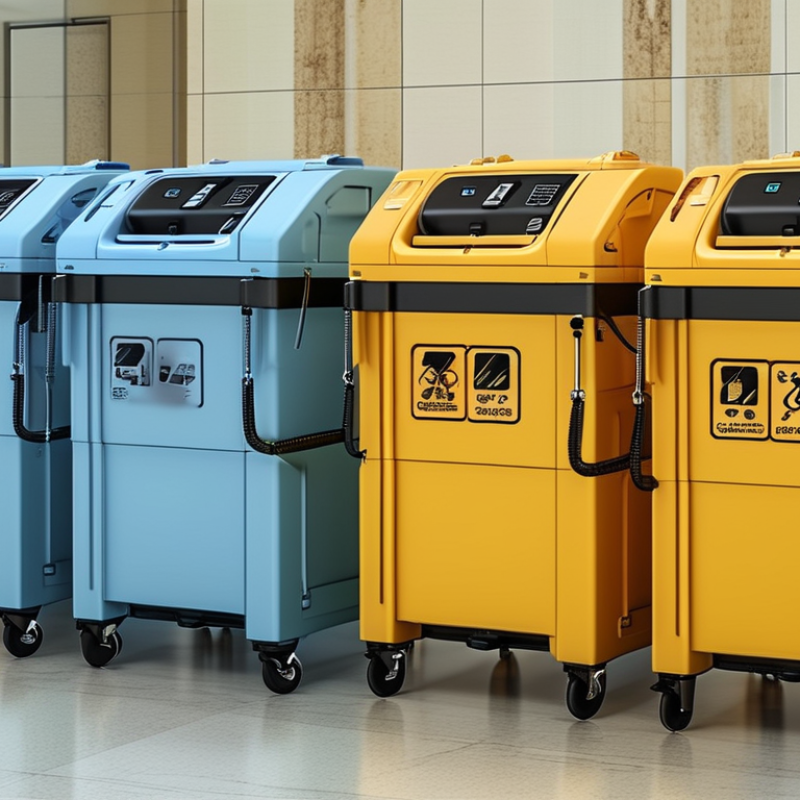
Understanding Medical Waste Sterilization Techniques
Medical waste sterilization plays a crucial role in healthcare. Improper disposal can lead to health risks. Up to 16% of the waste generated in hospitals is considered hazardous. This requires reliable sterilization techniques.
Autoclaving is widely used for sterilizing medical waste. It utilizes steam under pressure to kill pathogens effectively. Studies show that autoclaves can achieve a 99.9% reduction in infectious waste. However, not all waste types can be treated this way. For instance, anatomical waste may require different handling methods.
Another technique is microwave treatment. It converts waste into a slurry that is safe for disposal. According to a report, microwave treatment reduces waste volume by 80%. Still, concerns about energy consumption persist. Effectiveness can vary based on waste composition. Research highlights the need for ongoing evaluation to ensure safety. Proper training for staff is essential in maintaining standards.
Best Medical Waste Sterilizer for Safe Waste Disposal
| Sterilization Technique | Description | Advantages | Disadvantages | Best For |
| Autoclaving | High-pressure steam sterilization. | Effective against all forms of microorganisms. | Requires regular maintenance and monitoring. | Surgical instruments, linens. |
| Incineration | Burning waste at high temperatures. | Reduces waste volume significantly. | Emits harmful gases if not controlled. | Pathological waste, sharps. |
| Chemical Sterilization | Use of chemical agents to eliminate bacteria. | Effective for heat-sensitive items. | May leave toxic residues. | Medical devices, laboratory glassware. |
| Microwave Treatment | Using microwave energy to heat and sterilize waste. | Fast processing and reduces waste volume. | Not effective on all waste types. | Biological waste and plastics. |
| Plasma Treatment | Utilizes ionized gas to sterilize waste. | Leaves no harmful residue. | High initial cost and complexity. | Medical instruments and waste. |
Types of Medical Waste and Their Disposal Requirements
Medical waste presents distinct challenges in disposal. Types include sharps, infectious waste, pathological waste, and pharmaceutical waste. Each category requires specific handling methods. For instance, sharps must be disposed of in puncture-resistant containers. According to the World Health Organization, improper disposal can lead to infections and environmental hazards.
Infectious waste contains microorganisms that can cause diseases. It requires incineration or autoclaving to mitigate risks. A study by the U.S. Environmental Protection Agency indicated that approximately 3% of total waste is medical, yet it can contribute significantly to pollution if not treated properly. Pathological waste includes human tissues and organs. This type also needs safe disposal to prevent biohazard risks.
Pharmaceutical waste poses different issues. It can include expired medications or those that are no longer needed. Improper disposal can lead to contamination of water supplies. Some statistics suggest that 10% of medicines in households go unused, increasing the potential for this waste category.
Ensuring proper disposal methods for each category is crucial for public health and safety. There is still much to reflect on regarding current disposal practices and the need for better training.
Factors to Consider When Choosing a Medical Waste Sterilizer
When selecting a medical waste sterilizer, several key factors warrant careful consideration. The effectiveness of sterilization is crucial. Reports indicate that proper sterilization can eliminate up to 99.99% of pathogens. Therefore, understanding the sterilization methods—such as steam, dry heat, or chemical—is essential for optimal waste management. Each method has its pros and cons. For example, steam sterilization is effective but may not suit all materials.
Additionally, the capacity of the sterilizer is vital. Facilities must assess their waste generation rates. A sterilizer with a smaller capacity may not meet demand, causing delays in waste processing. It’s critical to align the sterilizer’s capacity with the facility’s needs.
Safety features cannot be overlooked. Automated systems reduce human intervention, lowering the risk of exposure to hazardous waste. However, operational complexity can increase. Staff training is essential but often overlooked. Engaging employees in a comprehensive safety program ensures compliance and effective use. Reflecting on these factors can lead to better decision-making in medical waste disposal.
Top Medical Waste Sterilizers on the Market Today
When selecting a medical waste sterilizer, it’s crucial to consider several key factors. The effectiveness of sterilization ensures that all pathogens are destroyed. This is vital for protecting both public health and the environment. Evaluating sterilization methods is essential. Autoclaving, for example, is widely recognized for its efficiency and high-temperature capabilities. However, some facilities may find it challenging to manage.
The ease of use and maintenance adds another layer of consideration. A reliable sterilizer should be simple to operate. Training staff on complicated machines can be resource-intensive. Regular maintenance is also necessary to prevent breakdowns. This sometimes goes overlooked but can lead to costly repairs.
Moreover, think about the capacity of the sterilizer. Different facilities produce varying amounts of waste. A one-size-fits-all solution doesn’t always work. Some sterilizers may be designed for smaller operations, while others serve larger hospitals. Matching the device to the facility’s needs is crucial. This balance between capacity and efficiency can greatly influence waste management success.
Best Medical Waste Sterilizers on the Market Today
This chart illustrates the average sterilization capacity (in kg per hour) of various medical waste sterilizers currently available in the market. The data reflects the performance and efficiency of each type, helping healthcare facilities make informed decisions on waste disposal solutions.
Best Practices for Safe Medical Waste Disposal Procedures
Medical waste disposal requires careful attention to safety and hygiene. Implementing best practices is crucial for preventing infections and protecting public health. Proper sorting of medical waste is the first step. Create clear categories: infectious, sharps, and non-hazardous waste. Maintain color-coded bins to reduce confusion. Staff training on waste segregation is vital. Regular workshops can enhance understanding and compliance.
Sterilization is a key component of waste disposal. Using effective sterilizers helps eliminate pathogens. These devices can be steam-based or chemical-based. Each method has its own protocols and effectiveness. Regular monitoring and maintenance of these machines are necessary. Anomalies can lead to potential failures. It’s essential to log each cycle and conduct routine effectiveness tests.
Reflection on the disposal process is equally important. Regular audits can identify weaknesses in protocols. Engaging staff for feedback creates a sense of ownership. Understanding challenges in daily procedures can lead to improvements. The goal is not just compliance but also fostering a culture of safety and responsibility in managing medical waste. This ongoing commitment ultimately protects healthcare workers and the community.