How to Choose the Right Gate Valves for Global Sourcing?
Selecting the right Gate Valves for global sourcing is not simply a matter of comparing prices. It is a process decision.
A valve may look identical in a supplier’s catalog. Its pressure rating, trim material, testing method, and documentation may differ significantly. A 12-inch carbon-steel gate valve for clean water cannot automatically serve a high-temperature steam line. Small differences matter. Sometimes, dangerously.
Greg Johnson, a long-time valve-industry educator and former Valve Magazine editor, offers a practical reminder: “The best valve is the one that matches the service, not merely the pipeline size.” This principle should guide every sourcing discussion.
Experienced buyers begin with the operating details. They review media composition, temperature, pressure, flow direction, cycling frequency, and installation conditions. They also check whether the valve needs a rising stem, non-rising stem, resilient seat, or metal seat. Each choice affects maintenance and service life.
Global sourcing adds another layer. Buyers must assess supplier experience, manufacturing controls, material traceability, and inspection records. Certificates should be verified, not simply filed. Relevant standards may include API 600, API 6D, ASME B16.34, or applicable ISO requirements, depending on the application.
Still, standards do not replace judgment. A compliant valve can perform poorly when selected for the wrong duty. That is an uncomfortable possibility.
This guide examines how to compare Gate Valves across suppliers, regions, and applications. It focuses on technical fit, supplier reliability, lifecycle cost, and practical risk. The goal is not the cheapest purchase. It is a dependable flow-control decision that remains defensible years after delivery.
Define Gate Valve Types and Their Global Sourcing Applications
How to Choose the Right Gate Valves for Global Sourcing?
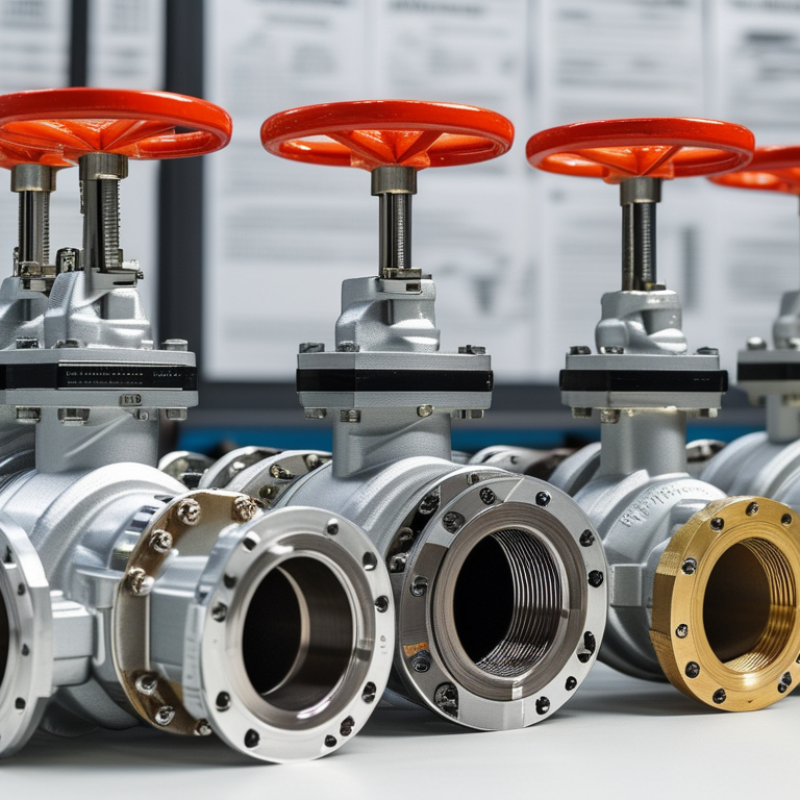
Gate valve selection starts with valve type, not price. Rising-stem valves show stem movement clearly during inspection. They suit facilities needing visible open or closed status. Non-rising-stem designs save vertical space. However, hidden stem threads need stronger maintenance controls. Wedge gate valves handle general isolation duties across water, energy, and process systems. Parallel-slide valves perform better where thermal movement or frequent pressure changes occur. Knife gate valves suit slurry, pulp, and powder service, but they are not ideal for high-pressure sealing. According to MarketsandMarkets’ Industrial Valves Market report, the market may grow from about USD 78.4 billion in 2024 to USD 94.4 billion by 2029. This growth reflects wider infrastructure and process-industry demand.
Global sourcing requires more than matching size and material. Confirm pressure class, temperature range, end connection, body material, seat material, and actuator requirements. For pipeline service, buyers often request designs aligned with API 6D. General cast-steel applications may reference API 600, while testing can follow ISO 5208. Certification documents must match the actual heat number and test record. I have seen technically acceptable valves delayed because drawings used different face-to-face dimensions. That detail is easy to overlook. A lower-cost valve can become expensive after rework, storage, or site modification.
Tips: Build a comparison sheet before requesting quotations. List media, pressure, temperature, bore, standard, inspection level, and delivery location. Ask suppliers for sample inspection records, not only certificates. Also check spare-seat availability. A perfect specification on paper may still fail during installation. Review it with the maintenance team.
Assess Pressure, Temperature, Size, and Media Compatibility
How to Choose the Right Gate Valves for Global Sourcing?
Pressure and temperature must be assessed together, not separately. ASME B16.34 defines pressure-temperature ratings for valve materials and classes. A Class 150 valve does not retain the same allowable pressure at every temperature. For example, steam service near 400°C can require a lower working pressure than water service at ambient conditions. Request the design pressure, design temperature, test pressure, and allowable pressure drop in writing. API 598 also specifies shell and seat testing requirements. Still, a test certificate does not replace correct sizing.
Size should reflect flow conditions, pipeline velocity, and maintenance access. An oversized gate valve may operate poorly at low flow. An undersized valve can create unnecessary velocity and erosion. Media compatibility needs equal attention. ISO 15156 addresses materials exposed to hydrogen sulfide in oil and gas production. ISO 15848-1 helps classify fugitive-emission performance for industrial valves. For carbon dioxide service, check moisture, impurities, phase changes, and decompression risks. The Global CCS Institute’s 2024 status report recorded 50 carbon-capture facilities in operation and 44 under construction, showing why this media deserves careful review. It is easy to choose by nominal diameter alone. That is a weak shortcut. Ask suppliers for material certificates, pressure-temperature charts, inspection records, and coating details. Verify every document against the actual service conditions. Datasheets can look complete while hiding a critical temperature limitation.
Compare Materials, Standards, Certifications, and Quality Requirements
Choosing a gate valve for global sourcing starts with the service, not the catalog photograph. Record media, pressure, temperature, line size, end connection, and operating frequency. Carbon steel suits many utility lines, while stainless steel resists corrosive fluids better. For sour or chloride-rich service, request documented material compatibility. “Stainless” is not specific enough. Specify grade, trim, stem material, and sealing arrangement before requesting quotations.
Standards should match the valve design and destination market. Common references include API 600, API 602, ASME B16.34, EN 1984, and ISO 5208. Check each standard’s edition and scope. A supplier should provide pressure-test records, dimensional drawings, heat numbers, and material certificates. EN 10204 type 3.1 documentation can support traceability when verified against valve markings. Traceability matters. Also check whether ISO 9001 certification covers the manufacturing site, not only the trading office. Certification alone does not prove reliable production.
Quality requirements need measurable acceptance points. Define shell and seat test pressures, leakage limits, inspection frequency, packing type, and document language. For critical lines, consider independent inspection before shipment. Do not overlook storage conditions; an unprotected valve can arrive with damaged faces or contaminated internals. One weakness remains: global standards are not always interpreted consistently. Ask technical questions in writing, compare replies, and record every deviation before purchase approval.
How to Choose the Right Gate Valves for Global Sourcing?
Material comparison based on minimum specified mechanical properties in ASTM casting standards. Pressure ratings, temperature limits, corrosion resistance, certifications, and inspection requirements must also be verified before purchase.
ASTM A216 WCB is commonly selected for general carbon-steel service, while ASTM A351 CF8M and CF3M provide cast austenitic stainless-steel options for more demanding corrosion environments. For global sourcing, confirm the applicable design standard such as API 600, API 6D, or ASME B16.34; specify pressure and leakage testing to API 598 or ISO 5208; and request material certificates such as EN 10204 3.1, dimensional inspection records, and traceable test reports. Mechanical strength alone does not establish the valve pressure-temperature rating.
Verify Product Compliance Through Testing, Inspection, and Documentation
When sourcing gate valves globally, compliance must be proven, not assumed. Testing should match the valve’s service conditions, pressure class, materials, and end connection. Request pressure-test records for every production lot. Each report should identify valve size, heat number, test pressure, duration, and result. A generic certificate is weak evidence.
Independent inspection adds practical confidence before shipment. Inspectors can compare drawings with finished dimensions, examine casting surfaces, and verify markings. They should witness shell and seat tests using calibrated gauges. Ask for calibration certificates with traceable identification and valid dates. Material verification matters too. For critical service, use positive material identification on pressure-retaining parts. Photos help, but they cannot replace witnessed measurements. One overlooked detail can delay installation.
Documentation should travel with the valve, not arrive weeks later. Build a file containing purchase specifications, approved drawings, test reports, inspection records, certificates, and packing evidence. Check that names, quantities, serial numbers, and revision levels agree across every document. Confirm applicable standards and destination requirements before ordering. Requirements can differ between countries and industries. Do not treat a familiar template as universal. A practical review may reveal missing signatures or unclear acceptance criteria. That gap deserves correction before payment, even when the supplier seems reliable. Perfect paperwork is not guaranteed; disciplined verification reduces the risk.