10 Essential Tips for Choosing Industrial Piping Systems?
Choosing the right industrial piping system is crucial for any manufacturing or processing facility. Industrial piping plays a vital role in the transportation of liquids, gases, and even solids. Proper selection can enhance efficiency, reduce costs, and ensure safety. However, many overlook the complexity involved in the decision-making process.
When considering industrial piping, factors like material, pressure ratings, and environmental conditions are critical. For instance, the choice of metals or plastics can impact durability and resistance to corrosion. Proper alignment and joint integrity affect the overall reliability of the system. It is essential to engage with experienced professionals who understand these nuances.
Yet, making the perfect choice is not always straightforward. Potential pitfalls often arise, such as underestimating maintenance needs or overlooking regulatory compliance. Reflecting on past decisions can reveal areas for improvement. Understanding these complexities can be the key to a successful industrial piping system that meets your operational needs.
Understanding the Different Types of Industrial Piping Systems
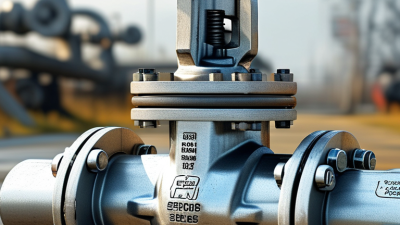
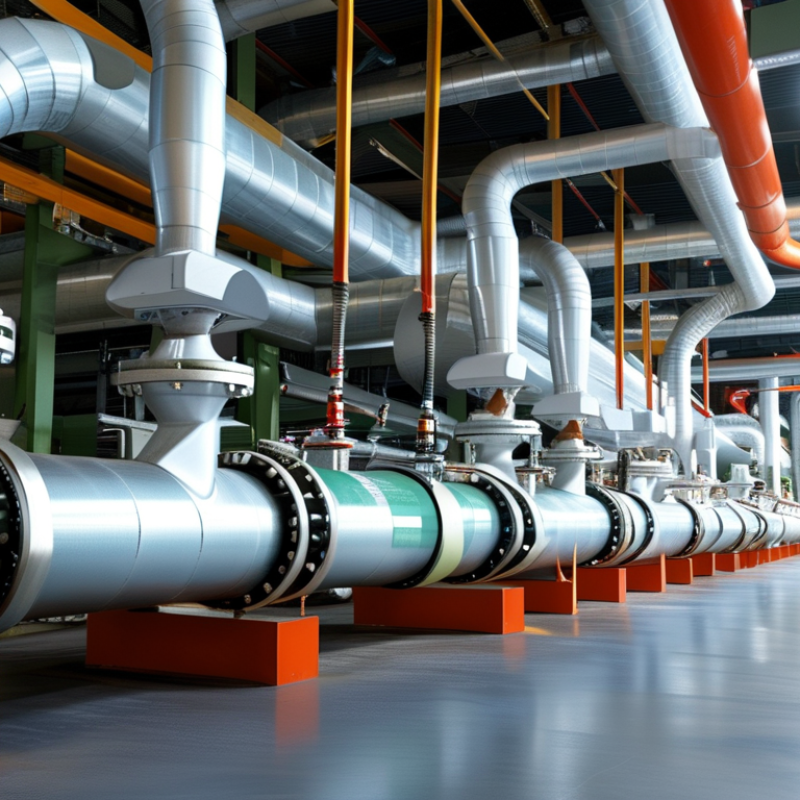
When choosing industrial piping systems, understanding the different types available is crucial. The most common types include stainless steel, PVC, and carbon steel. Each material has its unique properties that suit various applications. For example, stainless steel offers excellent corrosion resistance, making it ideal for chemical processing. A recent study highlights that over 40% of industrial facilities favor stainless steel for its durability.
Carbon steel is often used for high-pressure applications, given its robust strength. However, it can be prone to rust if not painted or galvanized. In contrast, PVC systems are lightweight and easy to install, making them popular in water supply and drainage. Data shows that around 30% of industries are transitioning to PVC due to its cost-effectiveness and ease of maintenance. The ongoing debate about material choices often lacks consensus, revealing a gap in industry practices.
The choice of piping systems can significantly impact operational efficiency. Missteps in selection may result in leaks or system failures. These issues highlight the importance of expert consultation and thorough research. Understanding specific needs and conditions is paramount, yet many organizations still overlook detailed assessments. This oversight can lead to costly repairs and downtime, emphasizing the need for careful planning in piping system selection.
Evaluating Material Options for Piping System Durability
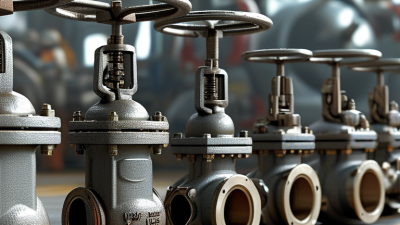
When choosing materials for industrial piping systems, durability is paramount. The material you select impacts the lifespan and strength of the system. Common choices include steel, PVC, and copper. Steel pipes are robust and can handle high pressure. However, they may corrode over time. In humid environments, this can become an issue. Regular inspections are needed to assess wear and rust.
PVC is lightweight and resistant to chemicals. It's a good option for non-pressurized applications. Yet, PVC can become brittle if exposed to extreme temperatures. This means it may not be suitable for all industrial settings. On the other hand, copper pipes offer excellent thermal conductivity. They are often used in heating applications. However, they also come with a higher cost.
Each material has its advantages and drawbacks. Evaluating these factors in relation to your specific needs is vital. Ask questions about maintenance schedules and replacement processes. Consider the long-term implications of your material choice. Making informed decisions leads to more reliable piping systems. Balancing cost, durability, and application is key. Reflect on what works best for your project.
Assessing Flow Rate Requirements for Optimal Piping Design
When selecting industrial piping systems, assessing flow rate requirements is crucial for effective design. The flow rate determines the diameter of pipes needed to transport fluids efficiently. According to a recent report by the American Society of Mechanical Engineers, improper flow rate calculations can lead to increased energy consumption and operational inefficiencies. For instance, a system with insufficient flow can cause pressure drops, which significantly impacts production rates.
Understanding fluid dynamics is essential for accurate flow rate assessment. Factors such as viscosity, temperature, and fluid type play vital roles. A study published in the Journal of Fluid Mechanics indicates that even a small deviation in flow rate can lead to performance issues. In a complex piping network, miscalculating flow rates might result in dead zones or cavitation, which can damage equipment.
Furthermore, the industry often overlooks the importance of redundancy in flow rate calculations. Many engineers assume flow conditions are constant, but systems can experience variations. A report from the International Journal of Industrial Engineering highlights that nearly 30% of maintenance costs arise from flow-related inefficiencies. This data underscores the need for continuous monitoring and adaptive design strategies that can accommodate fluctuating demands.
10 Essential Tips for Choosing Industrial Piping Systems - Assessing Flow Rate Requirements for Optimal Piping Design
| Tip No. |
Tip |
Flow Rate Calculation Method |
Considerations |
Recommended Material |
| 1 |
Determine the Fluid Type |
Specific Gravity Method |
Viscosity, Temperature |
PVC, Stainless Steel |
| 2 |
Calculate Flow Rate Requirements |
Bernoulli Equation |
System Pressure, Elevation |
Carbon Steel, Copper |
| 3 |
Evaluate Pipe Diameter |
Hazen-Williams Equation |
Minimize Pressure Loss |
Ductile Iron, Alloy Steel |
| 4 |
Consider Pipe Length and Layout |
Darcy-Weisbach Equation |
Fittings and Bends Impact |
PVC, HDPE |
| 5 |
Choose Appropriate Fittings |
Local Loss Coefficients |
Flow Turbulence Management |
Brass, Stainless Steel |
| 6 |
Assess Temperature and Pressure Ratings |
ASME Guidelines |
Safety Margins |
High-Temperature Alloys |
| 7 |
Factor in Expansion and Contraction |
Thermal Expansion Coefficients |
Supports and Anchors Required |
Flexible Hose, Expansion Joints |
| 8 |
Check for Corrosion Resistance |
Corrosion Rate Calculations |
Chemicals and Environmental Conditions |
Galvanized Steel, Plastic |
| 9 |
Plan for Maintenance Accessibility |
Maintenance Protocol Review |
Routine Inspection Needs |
Modular Components |
| 10 |
Document Everything |
Design Documentation Standards |
Record Keeping for Compliance |
Standardized Materials |
Considering Pressure Ratings and Temperature Limits in Selection
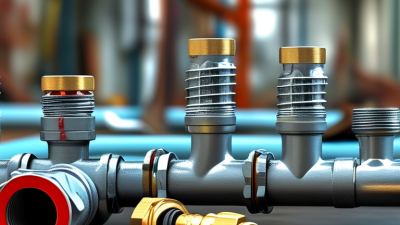
When selecting industrial piping systems, pressure ratings and temperature limits are crucial factors. Each system must handle the specific conditions of its application. For instance, high-pressure systems need components made from materials that can withstand stress without deforming. This requires careful calculations during the design phase. If these ratings are ignored, the system may fail prematurely, leading to costly downtime and repairs.
Temperature limits also play a significant role. Systems operating at extreme temperatures must utilize special alloys or thermal insulation. Selecting the wrong material can result in leaks or catastrophic failures. It's easy to overlook these details, especially in complex projects. A lack of focus on specific temperature conditions can lead to unsafe environments.
In some cases, engineers have underestimated the impact of fluctuating temperatures on system integrity. These oversights can compromise overall safety and operational efficiency. Regular audits and reviews are necessary. Ensuring that materials and designs align with the required specifications is essential for long-term success. Identifying potential weaknesses early can prevent major issues.
Pressure Ratings vs Temperature Limits in Industrial Piping Systems
Budgeting for Installation and Maintenance of Piping Systems
When budgeting for industrial piping systems, installation and maintenance costs are crucial. Industry reports indicate that approximately 30% of total project costs can be attributed to piping systems alone. This figure emphasizes the need to plan carefully. Materials, labor, and equipment make up a significant portion of this budget.
Installation costs can vary widely based on the complexity of the system and the materials selected. For example, stainless steel pipes are durable but often cost more initially. Conversely, cheaper options may lead to increased long-term maintenance. According to recent studies, up to 75% of piping failures result from inadequate maintenance. Regular inspections and preventive measures can mitigate these issues, underlining the importance of including maintenance costs in the budget from the start.
Underestimating these costs is a common pitfall. Many organizations fail to allocate sufficient funds for future repairs and replacements. This oversight can lead to emergency expenses that disrupt operations and strain financial resources. It’s vital to account for variable costs, such as inflation and material price fluctuations, when developing a comprehensive budget for piping systems. This proactive approach can enhance reliability and performance over the system's lifespan.