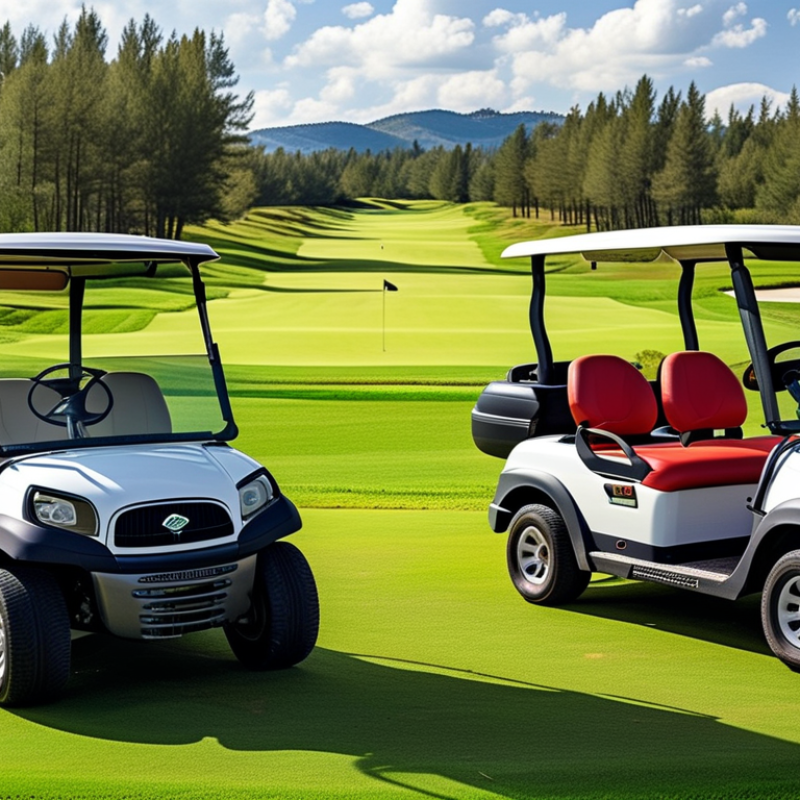
What is a Golf Cart and How to Choose the Right One?
Choosing the right Golf Cart can significantly enhance your golfing experience. A golf cart serves as a convenient mode of transportation on the green. However, not all golf carts are created equal. Factors like size, speed, and style matter more than many realize.
When you consider a golf cart, think about your lifestyle. Do you need one for fun outings or daily use? Electric models are popular for their quiet operation. Gas-powered options can offer more speed and range. Each type presents its benefits and challenges.
It's essential to reflect on your personal needs. Budget plays a crucial role too. Sometimes, a used golf cart may fit better than a brand-new model. Conduct thorough research and weigh your options carefully to make a decision that truly suits you.
What is a Golf Cart: Definition and Purpose
A golf cart is a small, motorized vehicle designed primarily for transporting golfers and their equipment around a golf course. Its compact size and electric or gas-powered engines make it ideal for navigating the course's narrow paths and hilly terrain. Notably, the global golf cart market was valued at around $1.12 billion in 2022 and is expected to grow steadily, highlighting its importance in recreational settings.
These vehicles serve multiple purposes beyond golf. Many users utilize them for personal transportation in residential communities, parks, and retirement communities. According to a report by Technavio, the demand for golf carts in non-golfing applications is projected to rise significantly, with an estimated CAGR of 5.5% between 2023 and 2027. Such versatility adds to their appeal but also invites scrutiny. Users must consider comfort and ease of use, as poorly designed carts can lead to discomfort during rides.
When choosing the right golf cart, potential buyers need to evaluate several factors. Range and battery life are critical for uninterrupted use. The choice between two-seater and four-seater models also affects usability. Safety features like headlights and seatbelts should not be overlooked. Evaluating these aspects will ultimately determine a buyer’s satisfaction. However, one must always remain aware of the maintenance needs associated with electric and gas models, as these can impact long-term usability.
Types of Golf Carts: Electric vs. Gasoline
When choosing between electric and gasoline golf carts, consider your needs. Electric carts are quiet and eco-friendly. They rely on batteries, which can require regular charging. A fully charged electric cart typically runs for 30 to 60 miles. This makes them great for short rounds of golf or neighborhood rides.
Gasoline carts, on the other hand, provide greater power and convenience for longer distances. They can cover rough terrains better and usually have a higher speed. However, they can produce noise and emissions, which some might find disruptive. The fuel costs are also a consideration for frequent users.
Tips: Choose electric if you prefer low maintenance and silent operations. If you often venture off-course or need more power, a gasoline cart might be better. Reflect on your typical usage patterns. This can help you make a more informed choice.
Key Features to Consider When Choosing a Golf Cart
When choosing a golf cart, there are several key features to consider. The size and seating capacity matter greatly. Some carts seat two, while others accommodate four or six passengers. Think about your needs. Do you often play with friends, or just for yourself? This decision shapes your choice.
The type of power source is another critical factor. Electric carts are quiet and eco-friendly. They are usually simpler to maintain. Gas-powered models provide more power and longer ranges. However, they can be noisier and require more upkeep. Consider your playing environment. What suits your course better?
Storage options also play a role in your selection. Some carts offer under-seat storage and rear compartments. Others may lack space for personal items. You might want a cart with a cooler for drinks or a place for clubs. Reflect on your usage scenarios. Do you need extra space for accessories? Each of these details impacts your experience on the course. Choose wisely to enhance your golfing journey.
Factors Affecting Golf Cart Pricing and Budgeting
When considering a golf cart, pricing is a crucial factor. Various elements can significantly impact the cost. The type of golf cart, electric or gas-powered, often determines the price range. Electric carts tend to be less expensive initially but may require battery replacements over time. Gas-powered carts generally have higher upfront costs but can offer more power for hilly terrains.
Another key aspect is the cart’s features. Basic models come with minimal accessories. However, more advanced options include luxurious seats, improved suspension systems, and tech integrations. These features can raise the price considerably. It's essential to assess which features you actually need versus those that are mere luxuries.
Condition is vital when purchasing a used cart. Even a well-maintained used cart may present hidden issues. Factors such as overall wear, battery life, and even model years can affect reliability and future costs. Take your time to evaluate every option. Budgeting for a golf cart isn't just about the purchase price; ongoing maintenance and insurance are vital components to factor in as well.
Golf Cart Pricing Overview
Tips for Maintenance and Care of Your Golf Cart
Maintaining your golf cart is vital for optimal performance. Regular care can extend the lifespan of your cart significantly. According to industry experts, proper maintenance can increase a golf cart's longevity by up to 25%. This means your investment can pay off in the long run.
Start with routine inspections. Check tire pressure, brakes, and battery health monthly. These components wear out with use, affecting performance. Simple actions like cleaning battery terminals can prevent potential failures. A regular tune-up can catch issues early, saving you from costly repairs. Interestingly, 30% of golf cart owners neglect battery maintenance, leading to premature replacements.
Furthermore, seasonal preparations are essential. Winter storage requires precautions like using a battery maintainer. Failing to do so can lead to irreversible damage. Summer months demand more attention to tire condition due to increased wear. Curbing potential problems early can elevate your overall experience. Noticing small signs, like reduced speed or unusual noises, can help you address issues before they escalate.
What is a Golf Cart and How to Choose the Right One? - Tips for Maintenance and Care of Your Golf Cart
| Feature | Description | Maintenance Tips |
| Battery Type | Lead acid or lithium-ion are the common types of batteries used in golf carts. | Check battery water levels regularly and clean terminals to prevent corrosion. |
| Size | Golf carts are available in two sizes: 2-seater and 4-seater. | Choose a size based on your needs and ensure it fits in your garage or storage area. |
| Speed | Typical golf carts have a speed range of 12 to 20 mph. | Regularly check tire pressure and reduce weight to optimize speed performance. |
| Terrain | Golf carts can be designed for different terrains including flat golf courses or rugged off-road. | Ensure proper tire tread and suspension maintenance for off-road use. |
| Storage | Proper storage is key to maintaining performance and longevity. | Store in a dry, covered area, and disconnect the battery when not in use for extended periods. |