What is Quality Assurance in Software Development?
Quality Assurance (QA) in software development is a critical aspect that ensures products meet specific quality standards. It encompasses methods and processes designed to prevent defects and enhance user satisfaction. Effective QA requires a balance of systematic testing and agile methodologies.
The role of QA is not always straightforward. It often involves addressing unexpected challenges and adapting to evolving project requirements. Many teams may overlook the importance of integrating QA throughout the development lifecycle. This oversight can lead to costly mistakes and delays.
Moreover, relying solely on automated tests can be misleading. Human insight is vital for identifying usability issues. Teams should reflexively analyze their QA processes to recognize areas for improvement. By fostering a culture of continuous learning, organizations can enhance their QA practices and ultimately deliver higher quality software.

What is Quality Assurance and Its Role in Software Development
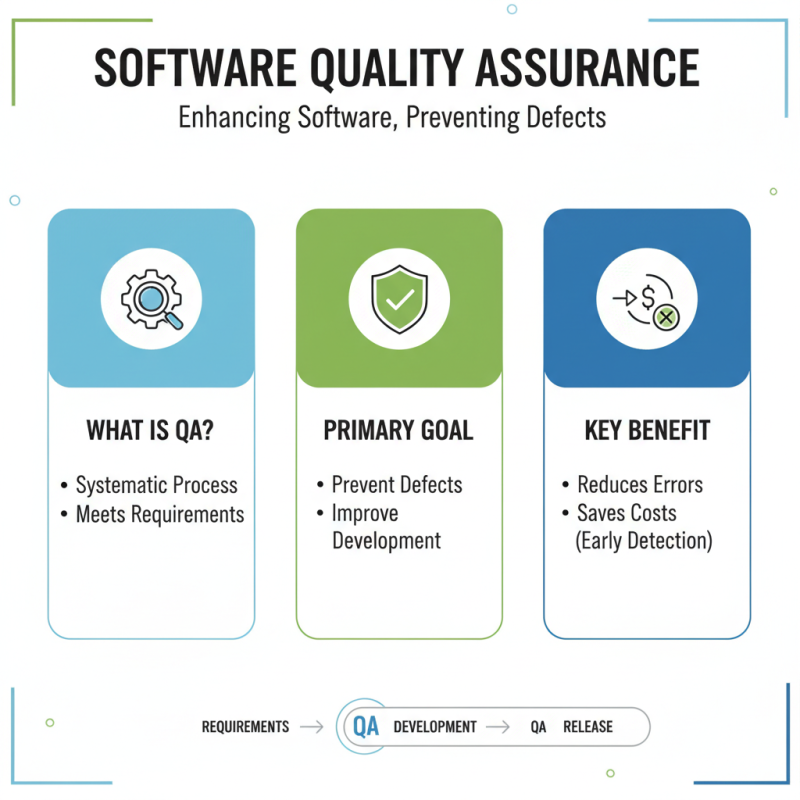
Quality Assurance (QA) plays a crucial role in software development. It is a systematic process that ensures a product meets specified requirements. The goal of QA is to enhance the development process by preventing defects. This proactive approach reduces costly errors in later stages.
Incorporating QA means investing time in testing at every stage. Regular reviews and testing improve overall reliability. However, sometimes teams overlook QA due to strict deadlines. This can lead to software that meets initial requirements but fails later in practical use. Collapsing under pressure can be detrimental for businesses.
Effective communication is essential in QA. Teams must share concerns regularly. Insights from testing can highlight potential pitfalls early. Yet, not all teams embrace constructive criticism. A culture that values feedback can foster improvement. This ultimately enhances software quality over time. Teams need to reflect on their practices and be open to change.
Key Principles of Quality Assurance in Software Engineering
Quality assurance (QA) in software engineering is essential for delivering reliable products. It involves systematic processes and methodologies aimed at preventing defects. One key principle of QA is early testing. Identifying issues at the beginning reduces costs and effort later on. Teams should incorporate testing from the initial stages of development. This proactive approach ensures that flaws are caught before they escalate.
Another crucial principle is continuous monitoring. QA is not a one-time activity; it requires ongoing assessment throughout the software lifecycle. Regular evaluations help identify emerging risks. Developers can learn from mistakes and improve processes over time. Effective communication among team members also supports this principle. It creates an environment where feedback is valued and acted upon.
Documentation plays a vital role in QA. Keeping records of tests, results, and changes makes it easier to track progress. However, teams often overlook this step. Inadequate documentation can lead to miscommunication and errors down the line. Reflecting on these practices can help teams better understand their strengths and weaknesses. Emphasizing a culture of quality is crucial for success.
Quality Assurance Metrics in Software Development
This chart illustrates key Quality Assurance metrics in software development. The metrics include Defect Density, Test Coverage, Customer Satisfaction, Cycle Time, and Cost of Quality, all crucial for evaluating software quality and performance.
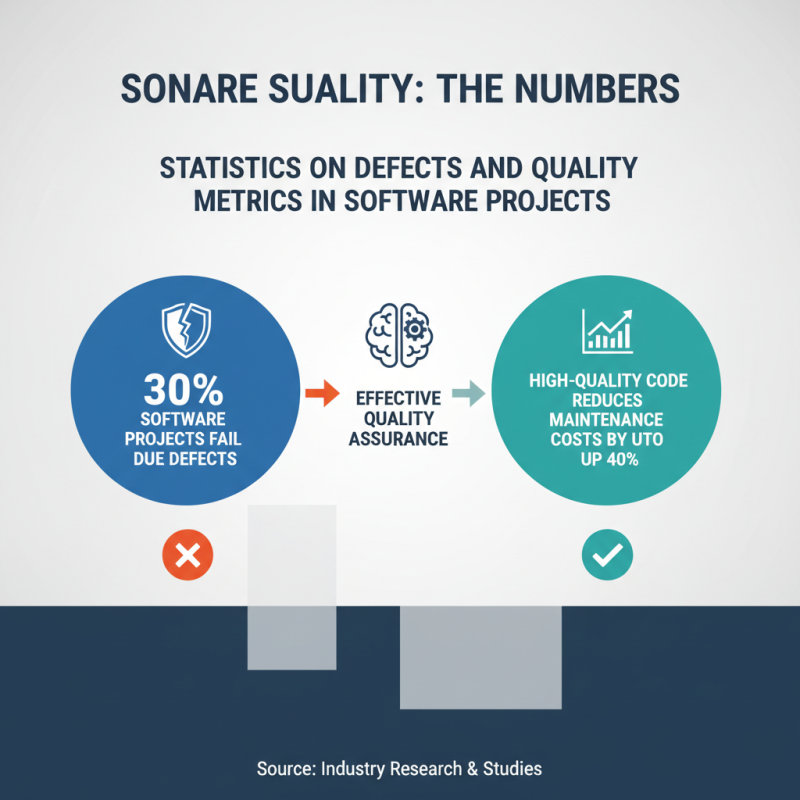
Statistics on Defects and Quality Metrics in Software Projects
In software projects, understanding defect statistics and quality metrics is essential for improvement. Research indicates that nearly 30% of software projects fail due to defects. This staggering number reflects the pressing need for effective quality assurance strategies. A study revealed that high-quality code can reduce maintenance costs by up to 40%. However, achieving this does not come easy.
Measuring defects often involves metrics like defect density and severity ratings. These metrics provide insights into the reliability of the software. For example, a defect density of more than 1.0 suggests a need for immediate action. Yet, many teams overlook these figures. They may focus on completing tasks instead of prioritizing quality. This oversight can lead to future challenges and increased technical debt.
While it is important to track quality, the data must be interpreted correctly. Misinterpretation can lead to misguided decisions. Teams sometimes feel pressured to downplay defect reports. It is crucial to foster an environment where transparency is valued. Emphasizing quality over quantity can ultimately save time and resources. Properly managed, quality assurance becomes a win-win for all stakeholders.
The Impact of Quality Assurance on Software Development Lifecycle
Quality Assurance (QA) plays a crucial role in the software development lifecycle (SDLC). It ensures that the final product meets both functional and non-functional requirements. By implementing a systematic approach to testing and feedback, developers can identify issues early. This proactive measure not only saves time but also reduces costs associated with fixing defects later.
The impact of QA is seen throughout various stages of SDLC. During the requirements phase, QA can provide insights into potential pitfalls in design. In the development stage, continuous integration and automated testing help maintain code quality. Each iteration builds on the last, reducing bugs and enhancing usability. However, some teams may overlook documentation or skip testing due to tight deadlines. This oversight can lead to major setbacks later in the process.
Effective QA requires collaboration among all team members, including developers and stakeholders. Each participant brings unique insights that can improve the product. A lack of communication can hinder progress, resulting in misunderstandings about requirements. Ultimately, a well-structured QA process fosters a culture of quality, driving better outcomes and higher customer satisfaction.
What is Quality Assurance in Software Development? - The Impact of Quality Assurance on Software Development Lifecycle
| Quality Assurance Activity |
Description |
Impact on Development Lifecycle |
| Requirements Analysis |
Ensuring all software requirements are clearly defined and understood. |
Reduces misunderstandings and miscommunication during development. |
| Test Planning |
Creating a detailed testing strategy, outlining what to test and how. |
Streamlines testing efforts and ensures thorough coverage. |
| Test Execution |
Carrying out test cases as per the test plan to identify defects. |
Uncovers issues early, reducing the cost of fixing them later. |
| Defect Tracking |
Recording and analyzing defects found during testing. |
Enhances product quality through systematic resolution of issues. |
| Quality Audits |
Regular reviews and assessments of QA processes and outcomes. |
Ensures compliance with quality standards and continuous improvement. |
Best Practices for Implementing Quality Assurance in Agile Methodologies
Quality Assurance (QA) in Agile methodologies is crucial for delivering high-quality software. It ensures that development processes meet user needs and expectations. Agile teams iterate rapidly, which can sometimes lead to oversight in quality checkpoints. To prevent this, integrate QA throughout the development cycle, not just as a final step.
One effective practice is to involve QA specialists in the planning phase. Their insights help identify potential issues early. Moreover, utilizing automated testing tools can streamline the testing process. Automation saves time and increases test coverage, allowing team members to focus on complex problems.
Tips: Always encourage communication within your team. Regular check-ins can uncover hidden flaws. Furthermore, embrace a culture of feedback. It's vital to learn from mistakes. This reflection can lead to improved practices and a better outcome for future projects.