What Are the Standard Galvanized Pipe Dimensions for Buyers?
When purchasing galvanized pipes, understanding the correct dimensions is crucial. Galvanized Pipe Dimensions impact both the performance and compatibility of the pipes with various fittings. These pipes are widely used in construction and plumbing due to their corrosion resistance. However, not all galvanized pipes are created equal.
The dimensions vary based on the application and manufacturer. Many buyers overlook the importance of precise measurements, which can lead to costly mistakes. For instance, choosing the wrong diameter may cause leaks or inefficiencies in a system. In contrast, accurate dimensions ensure seamless integration and optimal functionality in projects.
Additionally, buyers should consult industry standards for galvanized pipe dimensions. This knowledge establishes credibility and enhances confidence in material selection. Collecting detailed specifications helps prevent oversights. Understanding the nuances of these dimensions can greatly improve project outcomes. By prioritizing this information, buyers can avoid potential pitfalls in their purchasing decisions.
Standard Sizes of Galvanized Pipes in the Market
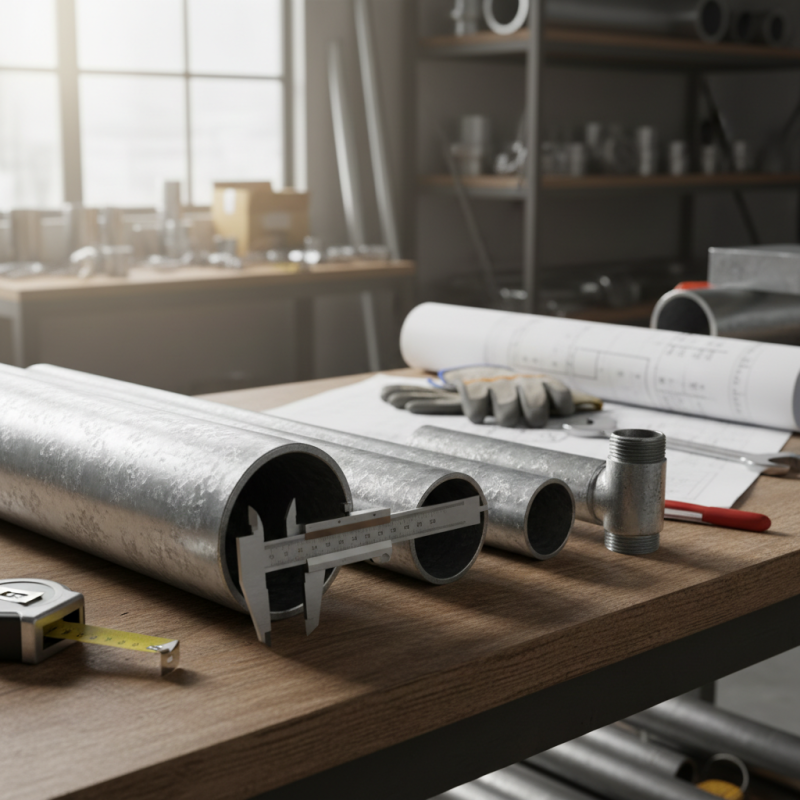
When considering the purchase of galvanized pipes, understanding standard sizes is crucial. Galvanized pipes are typically available in diameters ranging from ½ inch to 6 inches. This wide variety allows for many applications in plumbing and construction. Buyers should note the nominal size often differs from actual measurements. For example, a 1-inch pipe may have an outer diameter of about 1.315 inches.
The length of galvanized pipes also varies. Common lengths include 10, 20, and 21 feet. Buyers often choose standard lengths for ease of installation. Some may need to consider cutting pipes to fit specific dimensions. Remember that each cut can affect the integrity of the piping system. Additionally, the wall thickness can differ, impacting pressure ratings. Standard thickness ranges include schedules 40 and 80, affecting strength and durability.
While many suppliers offer these standard sizes, availability may vary by region. It's essential to consult local suppliers for stock and options. Occasionally, you might find unexpected variations in quality or dimensions, leading to potential surprises during projects. When selecting galvanized pipes, having measurements and requirements clearly defined can aid in making better-informed decisions. Keep a checklist of necessary sizes, including notes on lengths and wall thicknesses, to minimize confusion later.
Understanding Galvanized Pipe Dimensions: An Overview
When considering galvanized pipes, understanding their dimensions is crucial. Galvanized pipes are widely used for plumbing and construction projects. Knowing the right dimensions ensures proper fittings and connections. Most commonly, the diameter ranges from ½ inch to 6 inches. However, standard lengths can vary, typically falling between 10 and 21 feet. These measurements help buyers select the correct pipes for their specific needs.
It is essential to note that although dimensions are standardized, variations may still exist. This can lead to challenges during installation. A slight discrepancy in diameter can affect the fitting. Buyers should verify specifications before making any purchases. Understanding the nominal size versus the actual size is also vital. The nominal size refers to the approximate internal diameter, while the actual size may differ slightly. This aspect can potentially confuse even experienced buyers.
Moreover, galvanized pipes can corrode over time. Frequent inspections are necessary to ensure their integrity. Not all galvanized pipes provide the same level of protection against rust. Some may have better coatings, influencing their longevity and performance. Buyers should weigh the pros and cons while assessing their options. Making informed decisions requires attention to detail, especially regarding dimensions and material quality.
Understanding Galvanized Pipe Dimensions
Specific Measurements for Various Galvanized Pipe Types
When considering galvanized pipes, understanding their dimensions is essential for various applications. Galvanized pipes come in different sizes and specifications. The most common types include Schedule 40 and Schedule 80 pipes. Schedule 40 pipes typically have a thinner wall, while Schedule 80 pipes are thicker and can handle higher pressure. Knowing these differences helps buyers choose the right pipe for their project.
For instance, a 1-inch Schedule 40 galvanized pipe has an outer diameter of approximately 1.315 inches and a wall thickness of about 0.133 inches. On the other hand, a 1-inch Schedule 80 pipe offers a thicker wall at 0.179 inches. It's crucial to check these dimensions as they affect flow rates and pressure ratings.
Tips: Always measure twice and cut once. Ensure that your fittings match the chosen pipe size. Also, consider the environment where the pipes will be installed. Humidity and exposure to chemicals can affect performance over time. Each project has unique needs, and sometimes overlooked dimensions can lead to costly errors. Be cautious and detailed in your specifications.
What Are the Standard Galvanized Pipe Dimensions for Buyers?
| Pipe Type | Nominal Size (inches) | Outside Diameter (OD) (inches) | Wall Thickness (inches) | Weight per 100 ft (lbs) |
| Schedule 40 | 1/2 | 0.840 | 0.109 | 1.8 |
| Schedule 40 | 3/4 | 1.050 | 0.113 | 2.3 |
| Schedule 40 | 1 | 1.315 | 0.133 | 3.65 |
| Schedule 80 | 1/2 | 0.840 | 0.147 | 2.5 |
| Schedule 80 | 3/4 | 1.050 | 0.154 | 3.2 |
Factors Influencing Galvanized Pipe Dimensions Selection
When choosing galvanized pipes, several factors come into play. The intended application significantly influences the size and type of pipe required. For water supply systems, dimensions must accommodate the required flow rate. Industries may prefer larger diameters to support heavy workloads.
Material thickness is another crucial element. Thicker pipes offer greater strength and durability. However, they are heavier, which can complicate installation. Buyers must consider the trade-off between durability and ease of handling. Standard dimensions often serve as a guide, but specific project needs may lead to custom orders.
Environmental factors can also dictate size selection. Pipes exposed to harsh conditions may require more robust options. While standard dimensions are reliable, unique situations might demand tailored solutions. Understanding these influences helps buyers make informed decisions about galvanized pipe dimensions.
Common Applications of Standard Galvanized Pipe Sizes
Galvanized pipes are widely used in a variety of applications due to their durability and corrosion resistance. They are common in water supply systems, agricultural projects, and construction. Knowing the standard dimensions of these pipes helps buyers make informed choices. For instance, the nominal pipe sizes range from ½ inch to 6 inches. The diameter can slightly vary, so understanding that is essential is crucial.
Understanding your project requirements is vital. Different applications demand specific pipe sizes for optimal performance. For example, a 1-inch pipe might work well for residential water supply, while larger diameters are ideal for commercial use. If you're unsure, consult with a professional to determine the best fit. Doing so saves time and resources in the long run.
Tips: Always verify the pipe thickness and weight specifications as these can vary by manufacturer. Additionally, consider the local codes, which may dictate pipe dimensions and materials for safety compliance. If you're working on an innovative project, be prepared for some trial and error. Noting what works and what doesn’t is part of the learning curve.