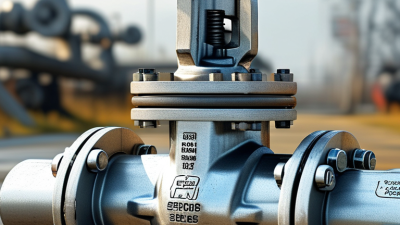
Top China Industrial Equipment Suppliers for Global Buyers

China has become a major sourcing destination for global buyers seeking dependable Industrial Equipment. Its manufacturers serve construction, mining, energy, logistics, food processing, and factory automation. The market includes established exporters, specialized producers, and fast-growing technology companies. Their capabilities vary widely.

Choosing a supplier requires more than comparing prices. Buyers should examine factory experience, production capacity, engineering support, certifications, and export records. A reliable manufacturer can provide clear specifications, traceable materials, inspection reports, and practical after-sales service. Factory audits and sample testing also reveal details that online catalogs often hide, such as uneven welds, limited spare parts, or unclear control systems.

Small details matter.

This guide highlights leading Chinese Industrial Equipment suppliers for international buyers. It considers product quality, customization ability, delivery performance, communication, and long-term service. Evidence from company records, technical documentation, customer feedback, and industry participation should guide each assessment. Still, no supplier is perfect. Some companies excel in heavy machinery but lack strong software support. Others offer attractive customization but need closer quality supervision. These limitations deserve honest attention. A careful sourcing process should match each supplier’s strengths with the buyer’s application, budget, operating environment, and compliance requirements. Clear contracts, agreed inspection standards, and realistic delivery schedules reduce avoidable risks. The strongest partnership is not always the cheapest option. It is the one that performs consistently after installation.

Top China Industrial Equipment Suppliers for Global Buyers

Industrial Equipment Supplier Landscape in China

China’s industrial equipment supplier landscape is broad, regional, and increasingly specialized. In 2024, China’s National Bureau of Statistics reported 5.8% growth in industrial value added among larger enterprises. High-tech manufacturing grew 8.9%. These figures show expanding capacity, but not automatic supplier quality. That distinction matters.

UNIDO’s International Yearbook of Industrial Statistics 2024 estimated that China generated about 31.6% of global manufacturing value added in 2023. This scale supports dense supply networks for machine tools, automation systems, process equipment, and power-related machinery. Regional clusters often place machining, casting, electrical controls, and final assembly within short transport distances. Buyers can gain faster customization. They may also face uneven documentation and testing practices.

A reliable sourcing review should examine factory records, production samples, calibration logs, and final acceptance procedures. Ask for material traceability, load-test results, spare-parts plans, and clear warranty terms. A remote factory tour is useful, but limited. On-site inspection remains more convincing.

The supplier’s sales presentation is not evidence.

The picture is imperfect. Some capable factories still communicate poorly in English or underestimate installation risks overseas. Buyers should compare delivered performance, not only quoted prices. A small pilot order can reveal packaging weaknesses, control-system gaps, and delayed technical responses before a larger contract begins.

Key Product Categories for Global Industrial Buyers

Top China Industrial Equipment Suppliers for Global Buyers

Global buyers often begin with product categories, not supplier names. Key options include CNC machine tools, industrial robots, material handling systems, packaging lines, pumps, valves, and power-generation equipment. Each category serves a different production need. A machining buyer may require tight tolerances, while a warehouse operator needs stable conveyors and safe lifting capacity. Product photos help, but detailed specifications matter more.

In my experience, reliable sourcing starts with measurable evidence. Request load ratings, motor details, operating temperatures, spare-parts lists, and inspection records. Ask for factory videos or a live equipment demonstration when possible. Check whether manuals include clear installation steps and maintenance schedules. Communication can still fail, even with careful preparation. One overlooked voltage difference may delay an entire project. No supplier is perfect. Buyers should review risks before signing contracts.

Tips: Compare at least three technical quotations. Confirm power standards, materials, delivery terms, and after-sales support. Request sample components or a small trial order when practical. Use independent inspections for complex equipment. Keep every approved drawing and revision. A low price can hide expensive training, repairs, or replacement parts. Think beyond purchase cost. Reliable uptime often matters more.

Top China Industrial Equipment Suppliers for Global Buyers - Key Product Categories for Global Industrial Buyers
Product Category Common Equipment Types Typical Technical Range Key International Standards Typical Global Applications Important Sourcing Considerations
CNC Machine Tools CNC turning centers Vertical machining centers CNC lathes CNC grinding machines 3–5 controlled axes; spindle speeds commonly from 4,000 to 18,000 rpm; machining travel typically from 300 to 2,000 mm; positioning accuracy commonly specified in the ±0.005–0.020 mm range, depending on machine class. ISO 230 series for machine-tool testing; ISO 12100 for machinery safety; CE conformity may be required for the European Economic Area. Automotive components, aerospace parts, general engineering, medical-device components, molds and precision metalworking. Verify controller compatibility, spindle power, tooling system, work-envelope dimensions, accuracy test reports, installation requirements and operator training.
Industrial Robots Articulated robots SCARA robots Delta robots Collaborative robots Payloads commonly range from 3 to 300 kg; reach commonly ranges from 500 to 3,200 mm; repeatability is often specified from ±0.01 to ±0.08 mm. ISO 10218-1 and ISO 10218-2 for industrial robot safety; ISO/TS 15066 for collaborative robot applications; IEC 60204-1 for machinery electrical equipment. Welding, palletizing, assembly, machine tending, packaging, painting, material handling and quality inspection. Confirm payload at the required reach, end-of-arm tooling interface, safety-cell design, communication protocols, cycle time and local integration support.
Injection Molding Machines Hydraulic machines All-electric machines Two-platen machines Multi-color machines Clamping forces commonly range from 500 to 6,000 kN; shot sizes vary widely by screw diameter and polymer type; injection speeds commonly range from 50 to 300 mm/s. ISO 20430 for injection-molding-machine safety; ISO 9001 is commonly used for manufacturing quality systems; electrical compliance depends on destination market. Packaging, consumer products, automotive interiors, electrical housings, household goods and medical disposables. Match clamping force and shot capacity to the mold; check mold height, tie-bar spacing, energy consumption, material-drying requirements and after-sales service.
Air Compressors Rotary screw compressors Reciprocating compressors Oil-free compressors Portable compressors Discharge pressures commonly range from 7 to 40 bar; free-air delivery commonly ranges from 0.2 to 100 m³/min; motor power commonly ranges from 2.2 to 355 kW. ISO 1217 for compressor performance testing; ISO 8573 for compressed-air quality; IEC 60204-1 and applicable pressure-equipment regulations may apply. Manufacturing plants, food and beverage, pharmaceuticals, construction, mining, electronics and automated production lines. Specify pressure, flow, duty cycle, ambient temperature, air-quality class, voltage and frequency; assess lifecycle energy use, dryer selection and spare-parts access.
Industrial Pumps Centrifugal pumps Positive-displacement pumps Diaphragm pumps Submersible pumps Flow rates range from small laboratory capacities to several thousand m³/h; operating heads commonly range from 10 to 250 m; materials include cast iron, stainless steel and corrosion-resistant alloys. ISO 5199 and ISO 9906 for centrifugal pump requirements and performance testing; API 610 may apply to selected petroleum and petrochemical services. Water treatment, irrigation, mining, chemical processing, oil and gas, building services and industrial cooling systems. Provide fluid composition, temperature, viscosity, solids content, required flow and head; verify seal material, motor efficiency, NPSH margin and corrosion resistance.
Construction Equipment Excavators Wheel loaders Forklifts Concrete equipment Road machinery Excavators commonly range from 1.5 to 50 tonnes operating weight; diesel engines commonly range from approximately 15 to 350 kW; electric and battery-powered models are also available for selected duties. ISO 20474 for earth-moving machinery; ISO 3691-1 for industrial trucks; ROPS/FOPS requirements and emissions regulations depend on the destination market. Infrastructure construction, mining, agriculture, logistics, municipal works and building-site material handling. Check local emissions rules, rated capacity, attachments, terrain suitability, hydraulic specifications, operator-safety systems, parts availability and service coverage.
Electrical Distribution Equipment Low-voltage switchgear Motor-control centers Distribution boards Power-factor correction systems Low-voltage assemblies commonly operate up to 1,000 V AC; rated currents commonly range from 100 to 6,300 A; short-circuit withstand ratings vary by assembly design and test configuration. IEC 61439 for low-voltage switchgear and controlgear assemblies; IEC 60947 for low-voltage switching and control devices; UL or other national approvals may be required by market. Factories, commercial buildings, data centers, renewable-energy installations, infrastructure projects and utility facilities. Confirm system voltage, frequency, fault level, enclosure rating, busbar design, protection settings, drawings, type-test documentation and local certification needs.
Material Handling and Warehouse Equipment Conveyors Automated storage systems Pallet stackers Sortation systems Conveyor speeds commonly range from 0.2 to 2.5 m/s; unit-load capacities commonly range from 50 to 2,000 kg; warehouse-system throughput depends on layout, load type and software configuration. ISO 3691-4 for driverless industrial trucks; EN 619 for continuous handling equipment; local machinery, electrical and fire-safety rules may also apply. E-commerce fulfillment, manufacturing logistics, distribution centers, cold-chain storage, retail warehouses and parcel handling. Evaluate load dimensions, throughput, aisle width, floor flatness, control-system integration, barcode or RFID compatibility, safety guarding and maintenance access.
Industrial Boilers and Heat-Transfer Equipment Steam boilers Thermal-oil heaters Heat exchangers Waste-heat systems Industrial steam systems commonly operate from low pressure to several MPa; heat-exchanger duties depend on flow, temperature difference and process fluid; fuel options include gas, liquid fuel, biomass and electricity. ASME Boiler and Pressure Vessel Code or EN 12952/EN 12953 may apply; pressure-equipment conformity and emissions requirements depend on jurisdiction. Food processing, textiles, chemicals, pharmaceuticals, power generation, district heating and process manufacturing. Confirm fuel type, steam capacity, operating pressure, water quality, emissions limits, pressure-vessel documentation, combustion controls and statutory inspection requirements.
Renewable-Energy and Power-Conversion Equipment Solar inverters Battery energy-storage systems Charging equipment Power-conversion units Grid-connected systems commonly range from residential-scale units to multi-megawatt utility installations; battery systems are specified by usable energy, power rating, voltage range, efficiency and cycle-life targets. IEC 62109 for power converters used in photovoltaic systems; IEC 62477-1 for power electronic converter systems; grid-connection rules vary by country and utility. Commercial and utility solar plants, microgrids, backup power, industrial peak shaving, electric-vehicle charging and energy management. Verify grid-code compliance, protection functions, battery chemistry, thermal management, ingress rating, cybersecurity, monitoring interface and warranty conditions.
Technical figures are typical market ranges for preliminary comparison only. Final specifications, certifications, electrical configurations and regulatory requirements should be confirmed against the applicable project design and destination-market regulations.

Criteria for Evaluating Chinese Equipment Suppliers

Top China Industrial Equipment Suppliers for Global Buyers

A reliable supplier should pass more than a price comparison. Evaluate manufacturing experience, process control, export history, and technical support. UNIDO’s International Yearbook of Industrial Statistics reports that China produces roughly one-third of global manufacturing value added. Scale is impressive, but it does not guarantee consistent equipment quality.

Request factory-audit evidence, material traceability, calibration records, and recent test reports. Check whether the supplier follows relevant ISO management systems and can provide documentation in clear English. The World Bank’s 2023 Logistics Performance Index placed China 19th globally, showing strong logistics capability, yet delivery performance still depends on packaging, port handling, and customs preparation. Ask for measurable lead times, spare-parts availability, installation procedures, and response targets. A polished brochure may hide weak commissioning support. I have seen this mistake repeated.

Tips: Compare total ownership cost, not only the purchase price. Require a sample inspection plan, acceptance criteria, warranty terms, and payment milestones. Speak with two recent overseas customers, preferably using similar equipment. Also examine financial stability and production capacity during peak seasons. ISO’s 2023 survey recorded more than 1.2 million ISO 9001 certificates worldwide, but certification alone proves limited operational depth. It should support your assessment, not replace it. Some buyers overvalue certificates and undervalue operator training. That deserves reflection.

Leading Supplier Profiles and Manufacturing Strengths

Top China Industrial Equipment Suppliers for Global Buyers

Leading Supplier Profiles and Manufacturing Strengths

China’s industrial equipment sector includes large manufacturers, specialized plants, and flexible contract suppliers. Each type serves different purchasing needs. A strong supplier profile begins with verified production experience. Buyers should review factory age, technical staff, export records, and completed projects. Factory visits can reveal practical details, such as organized material storage and calibrated inspection tools. Small details matter.

Large manufacturers often offer integrated engineering, machining, assembly, and testing. Their facilities may include CNC centers, robotic welding cells, heat-treatment lines, and load-testing areas. Specialized suppliers can provide deeper knowledge in pumps, conveyors, packaging systems, or process equipment. Contract manufacturers usually offer flexible volumes and custom designs. However, their documentation may require closer review.

Reliable suppliers provide drawings, inspection reports, spare-parts lists, and clear delivery schedules. They should explain tolerances, surface finishes, power requirements, and maintenance intervals. Quality teams may use hardness testers, coordinate measuring machines, and pressure-testing equipment. Buyers should confirm whether testing occurs in-house or through independent laboratories. Certificates alone are not enough.

The process is not always polished. Some capable factories still use inconsistent English documents or slow approval procedures. That can create costly misunderstandings. A careful buyer should request sample reports, video inspections, and reference projects from similar industries. Trial orders can expose packaging weaknesses, unclear labeling, or unexpected installation needs. These imperfections deserve attention before large-scale purchasing.

Top China Industrial Equipment Suppliers for Global Buyers

Leading Supplier Profiles and Manufacturing Strengths

China’s industrial equipment supply base is supported by large-scale manufacturing capacity, integrated supply chains, and strong export-oriented production. The chart compares selected 2023 indicators using estimated global shares rather than company-level sales data.

Sources: World Steel Association, International Federation of Robotics, Clarksons Research, International Energy Agency, and Global Wind Energy Council. Values are rounded public estimates and use different sector-specific definitions.

Sourcing, Compliance, and Export Considerations

China remains a major sourcing base for industrial equipment, but price should not lead the decision. UNCTAD reported that China supplied about 14% of global merchandise exports in 2023. The WTO also recorded a 1.2% decline in world merchandise trade volume that year. Buyers therefore need resilient suppliers, not only attractive quotations. I compare production capacity, spare-parts access, inspection records, and response times. A supplier’s catalog is only a starting point.

Compliance begins with the destination market. Request the correct HS code, technical drawings, test reports, risk assessment, and conformity documents before signing. The ISO Survey 2023 recorded more than 1.26 million ISO 9001 certificates worldwide, yet certification alone proves limited operational quality. I still verify batch controls, calibration records, and material traceability. A clean audit can miss weak subcontractor management. That deserves honest attention. Export terms also matter. Define Incoterms, packaging standards, insurance responsibility, customs documents, and acceptance testing. Screen applicable export controls and destination-country requirements early.

Tips: Ask for a pre-shipment inspection with measurable acceptance criteria. Photograph serial plates, crates, and moisture protection. Confirm whether manuals, software, and replacement parts match the buyer’s language and voltage. Keep a written change-control process. Small omissions become expensive delays. WTO trade forecasts are useful, but they cannot replace a factory visit, sample testing, or independent verification.

Get In Touch

Drop Us A Message

    Our Contact Details

    • IPS Group BV | Head Office (NB), Technopol 4, 5026 SB Tilburg, The Netherlands

      IPS Group BV | Rhijnspoor 239, 2901 LB Capelle a/d IJssel, The Netherlands
    • sale@qbhardware.org
    • +31 (0) 10 303 2625