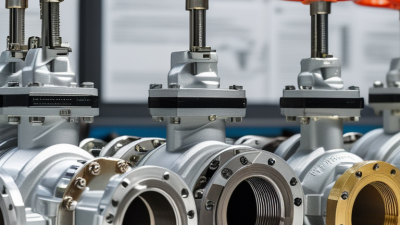
Material Grades describe how a material is classified by properties, performance, or intended use. The term appears across steel, aluminum, plastics, timber, and other product families. Yet a grade is not a universal quality score. Its meaning depends on the material, the relevant standard, and the supplier’s specification. Small differences matter.
A steel grade may identify composition and mechanical limits, while a plastic grade may focus on impact resistance, heat tolerance, or flexibility. In a workshop, that can mean choosing a sheet that bends without cracking, a fastener that withstands repeated loads, or a component that handles heat near an engine. The label alone is not enough. Check the technical data sheet, applicable standard, dimensions, and test conditions. Two products with similar names may perform differently. Surface finish, manufacturing method, and the conditions of use can also affect results.
This guide explains how grading systems work, what common grade labels communicate, and how to compare materials for a real project. It examines trade-offs among strength, corrosion resistance, machinability, cost, and availability. There is no perfect grade. A higher number or premium label does not automatically make a material the right choice. Grades also cannot describe every detail of a finished part’s performance. In practice, specifications can be confusing, and suppliers may use terms differently. That deserves a second look. Readers should verify critical requirements with the manufacturer or a qualified materials professional before making a final selection.

A material grade is a defined set of requirements, not a universal score of quality. It may specify chemical composition, strength, hardness, corrosion resistance, or testing methods. The exact meaning depends on the standard named alongside it. For example, stainless steel grades 304 and 316 differ in composition; 316 includes molybdenum, which can improve resistance to certain corrosive environments. But the number alone does not tell you whether a finished part suits a particular load or setting. It is not a guarantee.
Standards bodies such as ASTM International and ISO publish specifications that connect grade names to measurable requirements. Check the full designation, product form, and applicable standard—not just the grade printed on a quote. A grade for plate may not describe a tube in the same way. There is a catch. Heat treatment, thickness, manufacturing, and inspection can affect real-world performance, so paperwork and test results matter too. The World Steel Association’s World Steel in Figures 2024 reports 1,892 million tonnes of crude steel produced globally in 2023. At that scale, shared grade definitions help buyers and producers communicate, though the labels can still feel less clear than they should.

Material grades are organized ways to describe a material’s composition, properties, and intended use. They help engineers and buyers compare options using shared criteria rather than appearance alone. The exact system depends on the material and the relevant industry standard. Not universal.
For metals, a grade may specify chemical limits, strength, hardness, or resistance to corrosion. For plastics, it may describe resin type, impact performance, heat tolerance, or additives. A ceramic grade might focus on density, purity, and resistance to wear. These details come from defined tests and limits, not simply from a supplier’s label. Small differences matter.
Classification usually combines a material’s recipe with measured performance. A steel grade, for example, can set acceptable ranges for carbon and other elements, alongside mechanical requirements. Test reports and material certificates help confirm that a batch meets those limits. Check that the document matches the product and its production lot. A grade name alone can be misleading.
Grades also have limits. They may not describe surface condition, manufacturing defects, or performance after unusual handling. In practice, the part’s shape and operating conditions matter too. A useful specification names the grade, standard, required tests, and any extra properties needed for the job. The overlooked detail is often the one that causes trouble.
How materials are classified into grades: a comparison of the specified minimum yield strength of three common structural steel grades.
How to read this chart: A higher minimum yield strength means the steel can withstand more stress before it begins to deform permanently. Grade designations also specify other requirements, such as chemistry and applicable product forms; strength alone does not define a grade.
Values shown are typical specified minimums for common structural products: A36 (36 ksi, approximately 250 MPa) and Grade 50 steels (50 ksi, approximately 345 MPa). Refer to the applicable ASTM specification and product requirements for exact limits.
A material grade identifies a defined combination of composition, processing, and required performance. Strength is only one part. Grades may also differ in hardness, ductility, corrosion resistance, heat tolerance, and ease of fabrication. Numbers need context. A higher strength value may mean less stretch before failure, so it does not automatically make a material better for every component.
For stainless steel plate, ASTM A240/A240M-24 sets minimum tensile and yield strengths for many grades. Its requirements list 515 MPa tensile strength and 205 MPa yield strength for both 304 and 316. Yet 316 contains molybdenum, which improves resistance to chloride-related corrosion compared with 304 in many environments. That difference matters near salt spray or cleaning chemicals. It does not guarantee immunity; temperature, concentration, and surface condition still count.
Strength varies widely across steel families. WorldAutoSteel’s 2023 Advanced High-Strength Steel Application Guidelines cover automotive grades ranging from roughly 440 MPa tensile strength to over 1,500 MPa. Designers must balance that strength against forming behavior, joining needs, and impact performance. A datasheet rarely captures the whole story. Check the governing specification, product form, thickness, and test conditions before comparing values. One detail is easy to overlook: the same grade designation can have different practical performance after processing.
Material grades are shorthand for composition, strength, or expected performance. They help buyers compare stock, but grade names are not universal. In metals, standards such as ASTM, ISO, and EN define designation systems. A stainless steel grade, for example, may indicate its alloy composition and corrosion resistance. Two grades can look alike on a cut edge yet behave differently under heat or in salt air.
Polymers are often classified by resin type and specified properties, including impact strength or temperature resistance. Timber grades may describe visible features, structural capacity, or both. The rules vary by material and application. That distinction matters. A grade number alone rarely tells the whole story; the test method, product form, and manufacturing condition can change how a material performs.
When comparing suppliers, check the standard edition and the full specification, not just the short grade label. Look for measurable details such as yield strength, hardness, or permitted defects. A datasheet is useful, though it may not answer every question about a finished component. Labels can mislead. It is easy to treat a higher number as “better,” but suitability depends on the load, environment, and fabrication process. Verify critical properties against a relevant test report or qualified technical advice.
What Are the Different Material Grades?
How to Select a Grade for a Specific Application
Choosing a material grade starts with the conditions the part will actually face. List the operating temperature, expected loads, moisture, chemicals, and contact with other surfaces. A bracket inside a dry enclosure has different needs from a fastener exposed to salt spray. Be specific: “corrosive environment” is less useful than naming the cleaning agent and exposure time. A grade that performs well in one condition may wear quickly in another. There is no universal best choice.
Next, check how the material will be made and inspected. A hard grade may resist wear but prove difficult to machine or form. For a welded part, confirm that the grade suits the joining method and required strength. Ask for the relevant material certificate, and compare its specified properties with the design requirements. Small details matter. Even a suitable grade can disappoint if the finished part has the wrong thickness or heat treatment. The awkward part is balancing performance with cost and availability; the first choice may not be the most practical one. Verify critical assumptions with a qualified materials professional.
| Material and Grade | Key Characteristics | Corrosion and Environment | Fabrication Considerations | Common Application Fit | Selection Check |
|---|---|---|---|---|---|
| Carbon steel ASTM A36 |
General-purpose structural steel with a specified minimum yield strength of 250 MPa (36 ksi) for common product forms. | Uncoated steel can rust in moist or corrosive environments; protective coating or maintenance may be needed. | Generally weldable and suitable for common cutting, drilling, and forming operations. Welding procedures should match the design and thickness. | Building frames, plates, brackets, and general structural components where strength and cost are priorities. | Check the applicable product form, thickness, design code, loading, and corrosion-protection requirements. |
| Low-carbon steel AISI 1018 |
Low-carbon steel commonly selected for machinability, forming, and general-purpose mechanical parts; properties depend on product form and condition. | Limited resistance to rust without a suitable coating or protective environment. | Often suitable for machining, cold forming, and welding with appropriate procedures. Case hardening may be used when a hard surface and a relatively tough core are required. | Shafts, pins, spacers, and machined components that do not require high-through-thickness strength or inherent corrosion resistance. | Specify the supply condition and required mechanical properties; do not assume one strength value applies to every bar or section. |
| Austenitic stainless steel Type 304 (UNS S30400) |
Common chromium-nickel stainless steel with good general corrosion resistance and formability. | Performs well in many indoor, food-handling, and mildly corrosive settings; it can be susceptible to chloride-related pitting and crevice corrosion. | Generally weldable. Welding can affect corrosion performance in some conditions, so the finished part and service environment should be considered. | Food-processing equipment, sinks, enclosures, and general-purpose corrosion-resistant components. | Assess exposure to chlorides, cleaning chemicals, temperature, and stagnant crevices before choosing it. |
| Austenitic stainless steel Type 316 (UNS S31600) |
Stainless steel containing molybdenum, which improves resistance to pitting and crevice corrosion compared with Type 304 in many chloride environments. | Often preferred for marine atmospheres and some chemical-processing environments, but it is not immune to all seawater or chemical attack. | Generally weldable and formable. Select compatible filler metal and fabrication procedures for the service conditions. | Marine hardware, chemical-processing equipment, and components exposed to more corrosive conditions than typical Type 304 service. | Confirm the exact chemical exposure and temperature; severe seawater service may require a more corrosion-resistant alloy. |
| Heat-treatable aluminum alloy 6061-T6 (UNS A96061) |
Versatile aluminum alloy combining useful strength, relatively low weight, and general corrosion resistance. “T6” denotes a solution-heat-treated and artificially aged temper. | Forms a protective oxide film in many environments; performance can be reduced by aggressive chemicals or galvanic contact with dissimilar metals. | Commonly machined and extruded. Welding is possible, but heat can reduce strength in the weld-affected region. | Frames, machine components, transport parts, and general-purpose lightweight structures. | Check temper-specific design properties, section thickness, joining method, and any post-weld strength requirements. |
| Commercially pure copper C11000 (electrolytic tough-pitch copper) |
Very high electrical and thermal conductivity; electrical conductivity is commonly specified at about 100% IACS for annealed material. | Good resistance to many atmospheric conditions, but compatibility depends on the specific water, chemical, and contact environment. | Highly formable and readily joined using suitable copper-brazing, soldering, or welding methods. Strength varies substantially with temper. | Electrical bus bars, conductors, heat-transfer components, and other applications where conductivity is important. | Specify conductivity, temper, dimensions, and joining method; verify compatibility with the operating environment. |
| Commercially pure titanium Grade 2 (ASTM Grade 2) |
Offers a useful balance of corrosion resistance, formability, and strength at a relatively low density compared with many steels. | Highly resistant in many oxidizing environments, including seawater, but performance depends on chemistry, temperature, and crevice conditions. | Can be formed and welded, but welding requires clean material and protection from atmospheric contamination at elevated temperatures. | Chemical-processing equipment, marine components, and lightweight parts for corrosive service. | Confirm the exact environment, fabrication controls, applicable product specification, and cost constraints. |
Note: Material designations and mechanical properties depend on the governing standard, product form, dimensions, and heat-treatment or temper condition. Verify the applicable specification and design requirements before selecting or substituting a grade.